I was trying to respond to a message on Signal but I got a message that there was not enough space on my iPhone to open the app. So I had to find some old videos of the kid to delete and decide if I wanted to remove a few other apps I wasn’t actively using. Then I got a Facebook Messenger DM to respond to. As I was typing a response, another Messenger popped up. As I was deciding if I should finish the first message before answering the second one, my phone rang. It was a guy named “Michael” who wanted to talk to me about Medicaid A and B benefits. I wanted to be the lady in the commercial who just wanted to soak in the bathtub.
Electronic media has countless dark sides. Countless. One is the massive wave of stimuli that we are duty bound to respond to, from emails to TikTok comments. I spend a large chunk of each day deleting junk emails so I don’t have a panic attack every time I open my inbox. And a good percentage of those are emails I should read, but it’s just too much to process. And now that I have reached the status of “Influencer” on Instagram, I get hundreds of messages everyday, almost all incredibly supportive, or sharing a video I NEED TO WATCH. I try to respond to as many as I can, but I will occasionally get the indignant follower, offended that I was too whatever to respond. Where is my time?
And don’t get me started on the constant spam calls I get. Sometimes I’ll get a spammer calling while I’m on the phone with another spammer, all trying to separate me for my money. I’m getting better at not picking up but I do enjoy messing with them and seeing how long I can keep them on the line.” “Hello, my name is Michael and I’m calling about the new Medicaid benefits. How are you?” “Oh, I’m OK, Michael, but I’m suffering from a blocked colon. Do you think you’ll be able to help me? With my blocked colon?” Click.
All this has got me in the dreaded “Good ol’ days” funk that I typically warn against. Here we go. When was a kid, there was one phone in the house that was connected to the house by a chord. There was no call-waiting. If someone called while you were on a call, they got a busy signal and had to try later. That was it. No email. No texts. No DMs. If you didn’t have their phone number, you had to write a letter. On one side, we were more isolated from immediate conversations, but on the other side, we were more isolated from immediate conversations.
As a 20th century boy I can remember what it was like to be away from that landline and be unreachable. We knew when the street lights came on it was time to go home. We could be present in the moment. My daughter, born in 2014, will never know what it’s like to be unreachable. To be truly unconnected and on your own. I’m a sociologist, not a psychologist, so I can’t say if that’s a bad thing or not, but I do know there is great value of calmness and being present in the moment and that’s hard to do with all the pings and beeps and calls from “Michael.” I could unplug for a day but then I’d be stressed about all the DMs and emails that were piling up. Maybe a nice power outage would calm my nerves.
I remember staring at the telephone and wishing it would ring. Be careful what you wish for.
These first two weeks have been dizzying. Trump and his billionaire bros have attacked multiple aspects of our democracy. They have ripped the guardrails off while Democrats have stood there, dazed and confused. The flurry of bias-motivated executive actions, appointments of merit-less droogs hell-bent on dismantling the imagined “deep state,” inflation driving tariffs, saber-rattling at our allies, and the pardoning of violent criminals who, in 2021, tried stop democracy in its tracks. It’s all too much.
The chaos of Trump, ripped from the pages of Project 2025, is the intent. In a normal world, each action would occupy a few weeks in the news cycle, but there’s a dozen actions a day. The chaos is the point. The opposition is playing Wack-a-Mole to each insane impulse from the orange madmen who is declaring war on our allies with one hand and canceling Black History Month celebrations with other. He’s throwing countless federal employees into economic crisis (as well as those, like me, who are employed by federal grants), while blaming the airline crashes on Obama and dwarves. It’s like being punched in the face over and over again with no chance to land a counterpunch.
Trump didn’t invent this strategy. Bush used it to destroy Iraq in 2003. Twenty-two years ago, they called it “Shock and Awe.” Use the military might of the United States to overwhelm Iraq and out of the chaos, create a machine that would profit post-war contractors. Just Google: Halliburton, Iraq, and Profit. This “shock doctrine” (as Naomi Klein called in her 2007 book) has a history of effectiveness. The disaster capitalism employed in nations like Chile was utilized to generate billions in profits for war contractors in Iraq. This week, as witnessed by the plunging of markets after Trump announced 25 percent tariffs on Mexico and Canada, Trump has brought disaster capitalism to the homeland and he and his billionaire bros stand to take home all the money.
The shock doctrine relies on chaos to shake up markets and political organization. Not only is the opposition stuck on the back foot trying to respond to each affront, economic destabilization paralyzes the working class who is more worried about inflation and holding on to their jobs than developing a strategy to fight back. Meanwhile, oligarchs are positioned to swoop in and calmly reassemble the pieces in a way that permanently protects their power and profit. This happened in Russia in the 1990s and it’s happening here now. It’s like that scene in It’s a Wonderful Life when there’s a run on the banks and George Bailey tries to calm the panic, saying, “Don’t you see what’s happening? Potter isn’t selling. Potter’s buying! And why? Because we’re panicky and he’s not.”
Trump, unregistered foreign agent Elon Musk, and their army of gangster capitalists are crashing the economy on purpose. Shipping migrant labor across the border, ludicrous tariffs, rampant deregulation, and appointing insanely unqualified loyalists are all meant to tank financial stability. Trump no longer needs his MAGA troops who were told he would lower the price of groceries on “Day 1.” They served their purpose of installing him back in the White House. They will suffer at the checkout line along with the rest of us. But at least they got to “own the libs.” Musk, now with the keys to the U.S. Treasury, can let the air out of America’s tires and jack up his global banking portfolio and Trump’s voters will have no idea what happened.
Like Mr. Potter, Trump’s billionaire bros will come in to “manage” the economic crisis. The German National Socialist Party did this when the Great Depression hit Germany. They consolidated power with the promise of affordable eggs. And now, when we look for the storied institutions of democracy to prevent an authoritarian takeover in the United States, including a free press, an independent judiciary, and a non-partisan Department of Justice, we will find they have been hollowed out during MAGA’s war of the “deep state.” Trump’s vow to purge the FBI of agents and analysts who investigated January 6th should be all the warning Americans need.
It’s easy to draw on the rise of Hitler as a historical parallel. And even though Melania has claimed that Trump kept Mein Kampf on his nightstand, Donald probably isn’t going back 90 years for a playbook. The rise of Putin and the rule of Russian oligarchs provide the formula. Just read Garry Kasparov’s 2015 book, Winter is Coming. Putin used economic calamity and the fear of Chechen terrorists to dismantle Russian democracy, making him President for Life. Dissidents get poisoned or sent to a Siberian gulag. Trump using the federal government to go after his political enemies is a page out of his comrade’s manifesto.
So what do we do?
We’ve have three weeks of the worst assault on American democracy in our lifetime. We’re all in shock that it’s really this bad. And it’s going to get worse. We can’t depend on Chuck Schumer and the corporate toadies of the Democratic Party save us. Many of them are in line to profit from the consolidation of power by the billionaire class. The Democrats who stand against them need to make themselves known now (or hang separately, as Ben Franklin said). But this is about us first. Us who are battered and defeated by the task at hand. Do we retreat into Netflix binges, or is there a path forward?
This is great opportunity to remember the practices of mindfulness. We’re all in reaction mode right now. Personally, I’ve had to resist the desire to punch someone, especially fellow working class people who think DEI is their enemy while their egg prices skyrocket. This is time to stop. Take a pause and breathe. Then we can start planning. There’s a great device popular in AA circles called “HALT.” Does this situation make me “Hungry Angry Lonely or Tired”? If so, just stop and take stock. So slowing the freakout roll is key.
Swiss sociologist Jennifer Walter offers a simple strategy to re-enage with solutions. First, focus on a few key issues you care about instead of being overwhelmed by the tsunami of fires that need to be put out (to mix metaphors). Second, find trusted sources of information who can do the work of providing needed facts and analysis. Third, if their goal is to overwhelm you, take mental health breaks. Meditation is a favorite “self gift” of mine. Next, Walter suggests taking 48 hours to respond to a news story to let your emotions subside and sort out what’s important. And lastly, build community to share the load. My faculty union president sent out an email last week, entitled, “What to Do in a Burning House,” asking faculty not disengage but step forward. I immediately joined a union committee.
Progressives, real patriots, and those who just care about the price of heat this winter, have been knocked to their knees by the Trump/Musk war on the buttresses of American democracy. But it’s time to stand back up. A lot of the heavy lifting is going to be done by lawyers who still have access to the courts to stop Trump’s actions, many of which are illegal and/or unconstitutional. The rest of us who are not the uber rich have a role, whether it’s monkey-wrenching the shock doctrine or building a viable alternative to Trump’s fear-fueled vision of America. Take a breath. We will do this.
“Regrets, I’ve had a few,” Sinatra once sang. We can claim to have no regrets but any thinking human has gobs of them. I’ve often joked that my epitaph should read, “He was his own worst enemy.” Better than Frank singing, “My Way,” would be Cher singing, “If I could turn back time, if I could find a way, I’d take back those words that have hurt you” (to a boatload of sailors). We’ve all been Cher.
When I was a young criminology professor, I would occasionally spend my lunch hour at the county courthouse, watching trials and hearings. The vast majority were for men who had made insanely stupid choices. Almost all offered the same defense, “It might have been me who committed that act, but it wasn’t really ME.” I remember one case of domestic violence that was particularly dramatic. The man attacked his wife after she said she was leaving him. In tears he told the judge, “I don’t know who that person was that hit her. It wasn’t me. I’m not that kind of man. It was like I was possessed.” I could tell the judge had heard that excuse many times and she booked him straight into the county clink for 90 days.
We have all done or said stupid things and wondered, who was that mad person in my body? I was commuting on my bicycle when a woman in an SUV ran a red light in front of me. I chased her down, accused her of being drunk, and spit on her window. That was 15 years ago and I still think about it with shock. (If SUV Lady is reading this, I’m sorry. I’m not that kind of man.)
Why do we do these things? Is it brief demonic possession?
There’s actually a simple answer and it has nothing to do with the devil and everything to do with our lizard brains. And fortunately, you don’t have to be a brain scientist to understand it.
Think of a lizard in the desert. It’s constantly on alert. It doesn’t sit around trying to figure out what’s funny or what’s hip. It’s constantly in survival mode. If there is a shadow on the ground, it isn’t going ponder what caused the shadow. It’s going to assume that it’s a hungry hawk and with zero pondering it is going to race under a rock or freeze and try to blend into the background.
Lizards have itty bitty brains that are primarily made up of something called the amygdala. It is quite literally prehistoric and it is the part of the brain that keeps animals alive. We think of it as the center of the fight or flight or freeze emotional response. Dinosaurs didn’t sit around wondering why the local T. Rex was hangry, they just ran or fought. The amygdala is connected to the sympathetic nervous system that turns those instantaneous brain impulse into immediate action. The lizard brain does not think. It makes a b-line for safety, fights with all its might, or freezes like a deer in headlights. The lizard brain is driven by hunger and, mostly, fear.
Humans have amygdalae. (I just learned that was the plural of amygdala.) Fortunately, millions of years of evolution have built an insanely complex structure around it that we call the “human brain.” One of the best parts of the human brain is the prefrontal cortex that gives us the ability to reason, imagine, and, yes, ponder. The prefrontal cortex regulates the lizard brain so we’re not alway freaking out every time we see a shadow on the ground. The prefrontal cortex allows us to function, otherwise we’d be overwhelmed with fear, aggression, and paralysis.
There’s an easy way to illustrate this point. Since the prefrontal cortex is the thing that makes us cognitively human, it’s the last part of our brain system to develop. Newborn babies are a lot like lizards. They just want their basic needs met. Babies don’t think, “I should wait for the sun to come up before I demand breakfast.” Babies are in survival mode all the time. Neuroscientists believe the prefrontal cortex isn’t fully formed until around age 25. So take a moment to think of all the epically stupid and impulsive things you did when you were a teenager that you would NEVER do now. It’s because your brain was like an IKEA kitchen that still had a thousand pieces to connect. Every time I go on Instagram, I see endless “reels” and “stories” of young people doing things that will make them cringe when they are older. You don’t see any 59-year-olds participating in street takeovers or skateboarding off of cliffs. Young brains can be dumb as lizards.
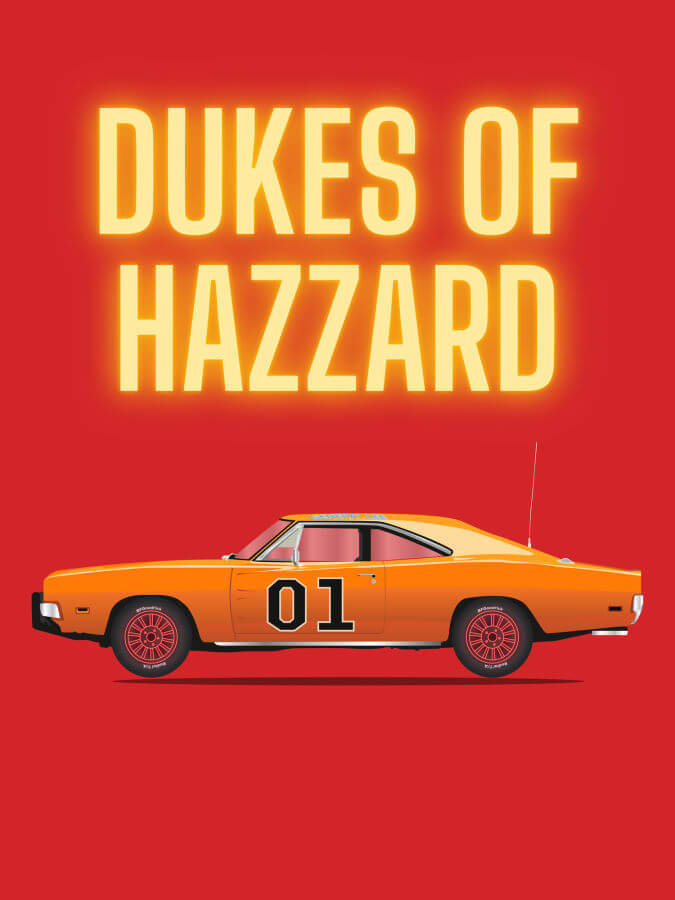
Side Story: When I was a 16-year-old in Stone Mountain, Georgia, one of my favorite TV shows was The Dukes of Hazzard. I would regularly borrow my dad’s 1978 Pontiac Grand Prix to “go to the store,” and end up doing donuts in the field like I was Bo and/or Luke Duke. If I happened to side-swipe a pine tree, I would tell my dad that it got hit in the parking lot. Fortunately, my father won’t read this. But if he does, I’M SORRY DAD! MY LIZARD BRAIN MADE ME DO IT!
If the human lizard brain had a motto, it would be, If it feels good do it. It is the knee jerk reaction that gets us into stupid fights, drives us to be sexual in situations where we shouldn’t, or causes us to completely shut down all normal interaction skills. Basically, our lizard brain gets us into trouble if our prefrontal cortex doesn’t regulate those very primitive impulses. Our brain (and body) gets hijacked by our amygdala. Sometimes, we need to fight or run away or freeze, but usually there’s some “context” to analyze. Bear is brown, lay down. Bear is black, fight back!
As adults, most of us develop the ability to self regulate. We know that throwing a punch ends up hurting our hands and getting the cops called. We know that sexually harassing a workmate gets a call to HR and makes us look like a serious creep. And we know that shutting down emotionally doesn’t really get us what we need, emotionally. In addition, or human brain allows us to develop empathy for others, so there is a greater benefit in centering others than just centering ourselves. But we do know that one of the things that throws the human brain into primitive lizard mode is trauma. Whether it’s something that happened when our brain was still forming, like childhood sexual abuse, or something that happened last week, like experiencing a serious car crash, trauma locks the brain into fight/flight/freeze mode. And it takes a lot of work to get the prefrontal cortex back on line to do the heavy lifting of regulation.
So we all have a lizard brain inside our heads. And we all have varying levels of ability in regulating that lizard brain. Some prefrontal cortexes are hampered by trauma, mental health issues, brain injuries, or substance abuse, but even the most sober “healthy brain” can find itself in a “road rage moment.” Something triggers us and we’re off to the races. And an hour later, we are singing that damn Cher song. “If I could turn back time…”
In my current work on political violence, we see a lot of dis-regulated lizard brains in control. The escalation of violence between protestors on the right and left in Portland is a sad example that has led to people dead on both sides. A case could be made that many of the insurgents at the January 6th riots in Washington DC never intended to storm the Capitol. They just got caught up in the mayhem and their lizard brains took over. It’s so easy to go from sane to insane when our amygdala is activated. We’ve all been there.
Fortunately, there are some well proven strategies to reign in our dino-brains and prevent the need to bust into the Cher song from the county jail (or divorce court). Here are a few:
1. Be aware of your triggers. If the best predictor of future behavior is past behavior, avoid the factors that lead to escalation. If you know booze makes you more “lizardy,” moderate. If you know arguing about Trump sends you into the red zone, argue about sports instead. And if you know your crazy Uncle Ernie really likes to push your buttons, try not taking the bait.
2. Regulate when your lizard brain is activated. Uh oh, you’ve been activated and the fight/flight/freeze siren is wailing. What do you do now? You have the ability to insert your prefrontal cortex between the impulse and the action. This could be something as simple as a few deep breaths or a walk around the block. Anything to calm the lizard brain down before it gets your ass in trouble. Meditation is a great way to train your brain to become calm and see your thoughts AS thoughts, and not as orders to act.
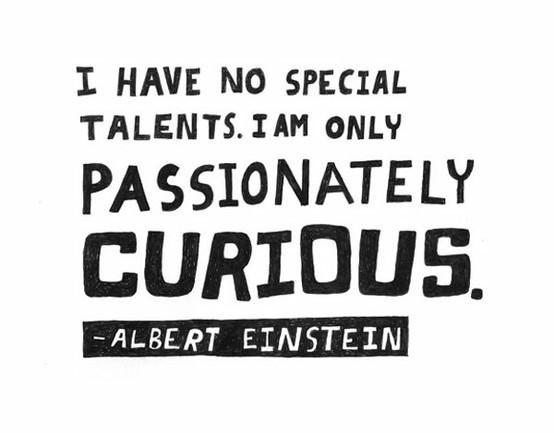
3. Get curious. Your prefrontal cortex gave you the potential for radical empathy. That driver who cut you off or that politico who is trying to shove a nutzo conspiracy theory down your throat has a story. They are human beings with something that drives them. Instead of defaulting to fight/flee/freeze mode, get curious about their story. What makes them tick? Maybe you are more alike than different.
We live in fearful and polarizing times so it’s very easy for our lizard brains to be activated. Traffic, news stories about shootings, bizarre weather, people on TV screaming at each other, and the fact that so many of us (myself included) are walking around with scars of trauma, it’s shocking that we’re all not constantly living in fight/flight/freeze mode. But the fact we’re not reflects the triumph of our collective prefrontal cortex. We have the ability to not to be slaves to our impulses. We have the ability to calm our minds and make wise choices. We just need a little practice and thinking about how we think is a good place to start.
I have a very specific memory from the summer of 1980. I was 16 years old, driving west on North Decatur Road in my 1973 Gran Torino to do some record shopping at the Wuxtry. Foreigner’s “Hot Blooded” was blasting on 96 Rock. I had the windows down and the volume all the way up. I stopped at the red light at Church Street. The car to the right of me and the car in the turn lane to the left of me were both playing 96 Rock at full volume. We all looked at each other and screamed, “Check it and see!” – united by technology, generation, and a great chorus.
I can’t imagine anything like that happening today, with everyone locked in their algorithmic streams.
Nostalgia is a dirty drug. There are countless memes that will tell you that music, cars, TV shows, and culture were better “back then.” It’s a lie. There was crappy music that you conveniently forget, death trap cars that were unsafe at any speed, stupid TV shows, and a culture that rewarded the bullies and marginalized everyone else. Donald Trump’s “great” America was 1950 (as he told CNN in 2015), the peak of Jim Crow, before civil rights movements for women, gay and trans people, and Americans with disabilities. And the top song was “Chattanoogie Shoe Shine Boy” by Red Foley. No thanks.
The truth is the past was great and super shitty. Just like now.
I love it when Boomers yearn for the days when you could ride in the back of a pick up or ride your bike without a helmet. That’s because they are alive to yearn. A bunch of kids got bounced out of the bed of the pick up and are not yearning because they are in yearn-free graves.
So what is it about music that locks us into these powerful memories of yesteryear? Incredible research with Alzheimer’s Disease patients has demonstrated that music can activate incredibly specific memories in people who can’t even remember their spouses and family members, because music exists in a part of the brain the progressive disease can’t reach. I’m guessing 90-year old me, in 2054, might not remember you, but play “Hot Blooded” and I’ll tell you all about that day on North Decatur Road in the summer of 1980 with great clarity.
The reason for my curiosity is the mindfulness practice of being present. Buddhism warns of being lost in the past (and worrying about the future). We spend scant time being in the present. Being present allows us to see our internal state and manage our emotions. Like Ringo said, sometimes you gotta stop and take time to smell the roses. As I’ve written about in this blog, there is great value in stopping.
So, to all the people of my generation, think about how we would listen to music. I have such clear memories of going over to Doug Warringer’s house to listen to a Kiss album or going over to Ed Overstreet’s house to listen to a Clash album. And we would JUST listen. We were present in the moment of listening to the songs. There was no, “This track reminds me of when,” or “This track makes me think about what I need to do.” There was just that moment. Then, when the album was over, we would do something else. But listening was the activity.
Our songs take us to those moments when we were fully present. It’s a weird nostalgia trick about memories of the present. I write this on Memorial Day, thinking about veterans whose brains are often frozen in those traumatic battlefield experiences. I know the songs that were blasting as we raced through the Ukrainian war zone last year are still in my ears. There is a direct link that connects what was playing during our first dance and our first war, present moments sealed in amber for all time. When I was 16, I didn’t have much of a past to ruminate over and my future was wide open so it was easy to absorb the moment. All these years later, being present is handicapped by memories of what was and what could have been and concerns about the future for me and my child.
Here’s where music can help.
I’ve been kicked off of numerous “Classic Rock” Facebook pages for arguing with old timers who all think music today sucks. I remind them of what their parents had to say about AC/DC and they sound just like old people. “These kids today!” They point of youth music is that is separates young people from their parent’s generation. Then they’ll go on and on about autotuning and profanity and the “that’s not music” about the Cardi B’s of the world in rants that seem more racist than music purist. And I’ll say, there are countless new rock bands putting albums out and if you love 70s pop, have you tried Harry Styles? And bam, I’m banned again by classic rock old farts who are prisoners of their nostalgia, forever blocked out of being present with a great song.
I have the best moments with my daughter and her friends driving around with the Top 40 station (Z100 in Portland) turned all the way up, listening them sing along. I know the hits of 2023 will resonate with them the way the wonderful/horrible songs of 1973 do for me.
So here’s the assignment. If you were born in the twentieth century, I want you to go straight to the pop charts. Find a hit that speaks to you. My third grade daughter’s favorite song of the moment is “Flowers,” by Miley Cyrus (currently #3 on the charts). Listen to that song while doing nothing but listening to that song. How does that tune make you feel? Try not to get nostalgic or concerned about what’s to come. Just be in the moment. Then put it on a playlist. Make it your song for late spring 2023. Every time you hear it take a deep breath and think, I am here now.
There’s so much amazing music happening right now and so many opportunities to just stop and take in the moment. Be here now.
I spent most of my life in a narcissistic head cloud. I put it off to being a Pisces, but the fact of the matter is that I was habitually more interested in myself than other people. After all, both Mr. Rogers and my mother had told me, “You are special.” When my first wife was on her way out the door, I remember her saying, “You suck all the air out of a room, Randy.” I thought that was meant as a compliment. I would think that. Turns out Mr. Rogers (and Mom) were wrong. I wasn’t special. I was an asshole.
This “COVID-era” life change I’ve been going through has forced me to stop. Stop my awesome rocket ride through “Randyland.” I’d had plenty of clues along the way. As an ethnographer, my job was to skillfully interview subjects without them knowing it. I’d come out of the field after months of hanging out with white supremacists realizing I was missing data because I’d spent more time talking than listening. I realized my biggest grammar mistake was forgetting to end queries with question marks. One student’s review of a sociology class at Portland State was one sentence long: “Nobody loves Randy Blazak more than Randy Blazak.”
This lack of curiosity became an issue between Andi and I. She didn’t need another story. She need someone who was interested in her thoughts and observations. Someone who talked with her not at her. I needed to figure this curiosity thing out.
Even though it might be too late for Andi, I finally cracked this curious nut. I’ve mentioned in this blog how lucky I’ve been to find a somatic therapist who could help be corral my unwieldy lizard brain and help find methods to get my parasympathetic nervous system to help my behavior be in line with my “I’m a feminist!” values. She recently suggested a book by Buddhist Oren Jay Sofer called Say What You Mean: A Mindful Approach to Nonviolent Communication and it’s been a game changer. I’ve really relied a lot on mindfulness practices to get away from to my bad habits. Ruth King’s Mindful of Race and her emphasis on “Impact not intent” has been vital in deflating some of my patterns of harm. These books are sacred.
I’m currently working on a federally-funded project to interrupt violent extremism so I figured out I could read Sofer’s book for work. Turns it’s more about people like me than the Proud Boys. (Does that sound narcissistic?) While I was focused on the eminent fist fight between Marjorie Taylor Greene and Joe Biden, the conflict here was less domestic terrorism and more just domestic. Our interpersonal conflicts certainly can escalate into some ugly areas, of which, violence is only one stupid scenario, but fighting over someone not doing the kid’s laundry is enough.
The book follows three main strategies to get us out of the combative way we communicate; 1) Being present in the moment, 2) Bringing in curiosity and care, and 3) Focusing on what matters. Sounds simple but there’s a lot of detail in the process. The bottom line is we are really good at reacting and getting pulled into a fight to prove the validity of our position. But more often than not, that just ends in a pointless stalemate. My Facebook page is an endless battle between my blue state Portland friends and my red state Georgia homies and the line of scrimmage hasn’t moved an inch.
A key part of the middle of Say What You Mean is developing empathetic listening skills by practicing curiosity. Let’s be honest – for most of us – when other people are speaking, we’re just listening for a gap to say whatever we were going to say anyway. That’s what we’re listening for, not what that person is saying, but for a chance to hear our own voice. That’s why modern speech is full of linguistic space holders, like “like,” “um,” “you know,” “well,” “literally,” and my least favorite word on Earth, “actually.” All those linguistic cock blockers serve to keep the stream of sound coming out of our gobs and preventing anyone else from actually getting a word in edgewise. Literally.
I started trying empathetic listening out on my students. I broke my diversity class up into random pairs and gave them five minutes. Student A had to ask Student B, “What’s the most challenging thing about being your primary identity?” (For example, their race or their gender identity.) Then Student A had to SHUT UP AND JUST LISTEN FOR FOUR MINUTES. On the fourth minute Student A was to say, “It sounds like the hardest thing is…. Did I get that right?” At the end of the five minutes they’d switch roles and Student B would ask same question. Afterwards, the students reflected how validating it felt to be actually listened to and how they created a new bond with someone who seemed, at first, very different from them.
Was there something to his power of asking questions? I was soon to put it to the test myself.
My last blog post was about transphobia and the hellnado that was unleashed by Kid Rock going Columbine on a case of Bud Light. Being the king mixer that I am I posted it on the Boycott Bud Light Facebook page. Very quickly I got a DM from some dude named Jamie that read, “Fuck trannies faggit You look like a fucking freak from Portland.” I went into my standard battle mode, trying to convince Jamie that he was in the closet. And the fight was on. Then I stopped and thought, WWOJSD? What would Oren Jay Sofer do?
So I switched gears and started asking Jamie questions. Were transgender people an actual problem in his life? (No.) Did he know any transgender people? (No.) What did he think WAS the biggest problem in America? He went off on a vector about the war on drugs and pharmaceutical companies and I said, “Hey, man, I agree 100%!” All of a sudden we were on the same page and talking about a bunch of stuff we agreed on. Jamie texted, “Sorry for calling you names, that’s pretty immature of me. I shouldn’t be like that. You take care. I’ll be more open minded.” Wow. It was all I could do to not ask Jamie if we could be Facebook friends and maybe go grab a Bud Light. Just being curious changed everything. I talked to him like human being and not a sparing partner and we both benefited from it.
So if this approach worked with transphobe like Jamie could it work with my estranged wife? I started trying the technique out with Andi. “How did that make you feel?” “Can you tell me more about that?” “It sounds like that was really hard. Am I hearing you correctly?” And it wasn’t an act. The more I asked the more I wanted to know. She asked me to stick around so we could continue the conversation. I didn’t tell a single anecdote. Each one of her sentences left me wanting more and we talked for hours.
Curiosity won’t solve all our problems. I still have a lot of work to do to de-program my asshole tendencies. But it’s a start. And what if there’s something bigger at stake here. What if Congressman Jamie Raskin got curious about Lauren Boebert? What if Antifa Annie asked Proud Boy Billy about his childhood? Or what if Road Rage Rob asked Road Rage Roy, “Do you need a hug?” So whether it’s political incivility or fractured marriages there is great value in the advice of Vanilla Ice; stop, collaborate and listen. Let’s get curious. Stop talking and start asking questions. People just want to be heard. And then they’ll listen.
When I was a young punk, I had this dumb mantra, “Impulse to action!” I believed that any thought that came into my head should be acted on. It seemed “mod” and “vibrant” and “rebellious.” In reality, it was the reflection of how unformed my young brain was. How my prefrontal cortex was not yet able to reign in my limbic system. I was all unchecked impulse and unmoderated action.
What I did that look like when I was 16? Talking my dad’s Monte Carlo and, channelling the Dukes of Hazzard, doing donuts in the fields of rural Georgia and then telling him it got hit in a parking lot (again). By 20, it was less bad behavior and more the belief that I could say whatever thought came into my head without first saying, “Should I say this?” Brain scientists believe the pre-frontal cortex is finally fully developed around age 25, but by that point my “impulse to action” synapses were well worn grooves in my head. My cake was baked.
We live in a culture that over-values the individual (“Me!!!”) and celebrates impulse to action behavior. Carpe diem gets rewritten as permission for road rage and buying stupid crap on credit cards. We can escalate from zero to a hundred in a heartbeat. My own centering of my impulses was a severe case of my white male entitlement. “I’m entitled to everything I want!” When women, BIPOC and queer folks are impulsive, they’re often raked over the coals for being “overly emotional” or “uncivilized.” We all need to calm the fuck down.
So much of this impulsive behavior is linked to our experience of trauma. I know my sexual abuse at age four is wired right into my limbic brain, what we lovingly refer to as our “lizard brain.” Like lizards, our limbic brain works on the fight/flight/freeze option to keep us safe. Lizards don’t ponder their options when an eagle is overhead. They skedaddle. Those of us with trauma histories are often locked into the fight/flight/freeze mode. Much of my life has been some version of looking for a fight, from battles with my little brother to running off to a Ukrainian war zone. I am the master of the knee-jerk reaction and it’s a 4-year-old boy who is doing the kicking.
One of the most important books I’ve ever read on this topic is My Grandmother’s Hands: Racialized Trauma and the Pathway to Mending Our Hearts and Bodies (2017) by Resmaa Menakem. Menakem points out that white bodies carry the historical trauma of the centuries of brutality of medieval Europe and when white people had the opportunity to unleash their unresolved trauma on black bodies, in the form of slavery, they went hog wild. The trauma levied on black people didn’t magically disappear in 1865 and is manifest in black bodies today. The need for African-Americans to make sure white people are OK is one manifestation of that trauma, which ads “fawn” to fight/flight/freeze. Additionally, police carry the unresolved trauma of dealing with traumatized people everyday and act out their trauma on the (mostly black) bodies they are charged to protect. Hurt people hurt people.
Manakem suggests a mindfulness approach to all this drama caused by people acting on their lizard brain impulses. In a fast-paced world, what if we all just slowed down and learn how to soothe ourselves? What if cops, before hitting the streets, practiced meditation and thought about their own thoughts? Maybe instead of cop lizard brains seeing black bodies as a threat and squeezing off a few rounds, they’d calmly assess what was actually needed in that situation. Calming the brain can interrupt micro-aggressions and explosive anger. Think of all those times you fucked up and wished your thinking brain had been in charge instead of your “impulse to action” brain.
This has been a huge issue for me. I can’t count the number of times I’ve heard Cher singing, “If I could turn back time” after I did or said something stupid. I apologize and swear I’ll never do it again. Then I do it again. The lizard brain doesn’t think. It just reacts. That baked cake has been my trauma response for over 50 years and has not made my life any better. Worse, it’s driven away the people I claim to love.
So finding a space between impulse and action is now my mandate. Daily meditation has become a requirement. Exercise and yoga, too. Breathing exercises, also. Anything to slow myself down and give myself the space to think before I act. I knew this past Saturday was going to be particularly challenging given the sad turns this marital separation has taken and I meditated six times throughout the day, which kept me from sending angry texts or stewing in my juices on a rare sunny Saturday in Portland. I’m having an ongoing conversation with the 4-year-old me. He can’t drive the car anymore, but he’ll be protected and safe.
There’s a quote attributed to David Bowie that says, “Aging is an extraordinary process where you become the person you always should have been.” If I could speak to that younger version of myself, I’d tell him to ditch that “impulse to action” bullshit as soon as possible. Slow your role and calm your soul. Give yourself permission to first see your thoughts and then, the ones that don’t actually serve you, let them go like big red balloons.
And to all the people that are screaming at each other, shooting each other, storming capitols, and hurting each other, please learn soothe yourselves. The lizard brain trauma response that tells you to pop a cap in his ass or street race down Broadway is the same impulse that tells you to text someone that they are a piece of shit or blow off someone’s sincere need to communicate. We can all be better at managing our tendency to cause harm. We have a buffer between our impulsive lizard brain and the mistakes we will later regret. That buffer is our ability to calm ourselves before we choose to act.

















 Watching the Wheels