Escaping Gilead – My experience crossing the border

May 21, 2025

Ever since January 20th, when Trump pretended to take the oath of office, things in America have felt really dark. From people being grabbed off the street by ICE and disappearing from public view without due process to the rise and fake fall of Trump’s top campaign donor, Elon Musk, it’s felt very end of a nation-ish. This includes rumors about changes at the border.

Here in Portland, it’s about a four-and-a-half our drive to the Canadian border. I’ve made the crossing many times. Last time was in December when Cozy and I drove up to Vancouver for the Taylor Swift concert. The crossing was a blast with carloads of Swifties shouting to each other and Canadian border guards the recipients of countless friendship bracelets. It’s so nice having another country just up the road a piece.

So I decided to make a run for the border.

After Andi picked up Cozy yesterday, I hopped on I-5 to make that long journey north; Olympia, Seattle, Bellingham, to the Peace Arch crossing about 10 pm last night. Late on a Tuesday, the usual border traffic jam was gone, but there was something new this time.

On the American side of the Peace Arch, there was a red traffic light and a barricade pushing cars into one lane. Up ahead I saw two armed men talking to a driver. When they finished, I was waved me forward. Two men in black military gear and long rifles stopped me. I searched for any identifying organization; border patrol, ICE, HSI, FBI. Nothing. I could have asked. I could have said, “Hey fellas, I’m on a DHS CP3 project. Who are you with?” But the rifles just shut me up.

It was a brief interaction. One of the men asked me to role down all my windows so he could look in the car. It was clear they were looking for people, not contraband. I have no idea who they were. To tall white guys straight out of central casting. I assumed that if I wasn’t a white male, the stop would have been longer, but they sent me forward where I showed my passport to the border guard and headed into our great neighbor to the north.
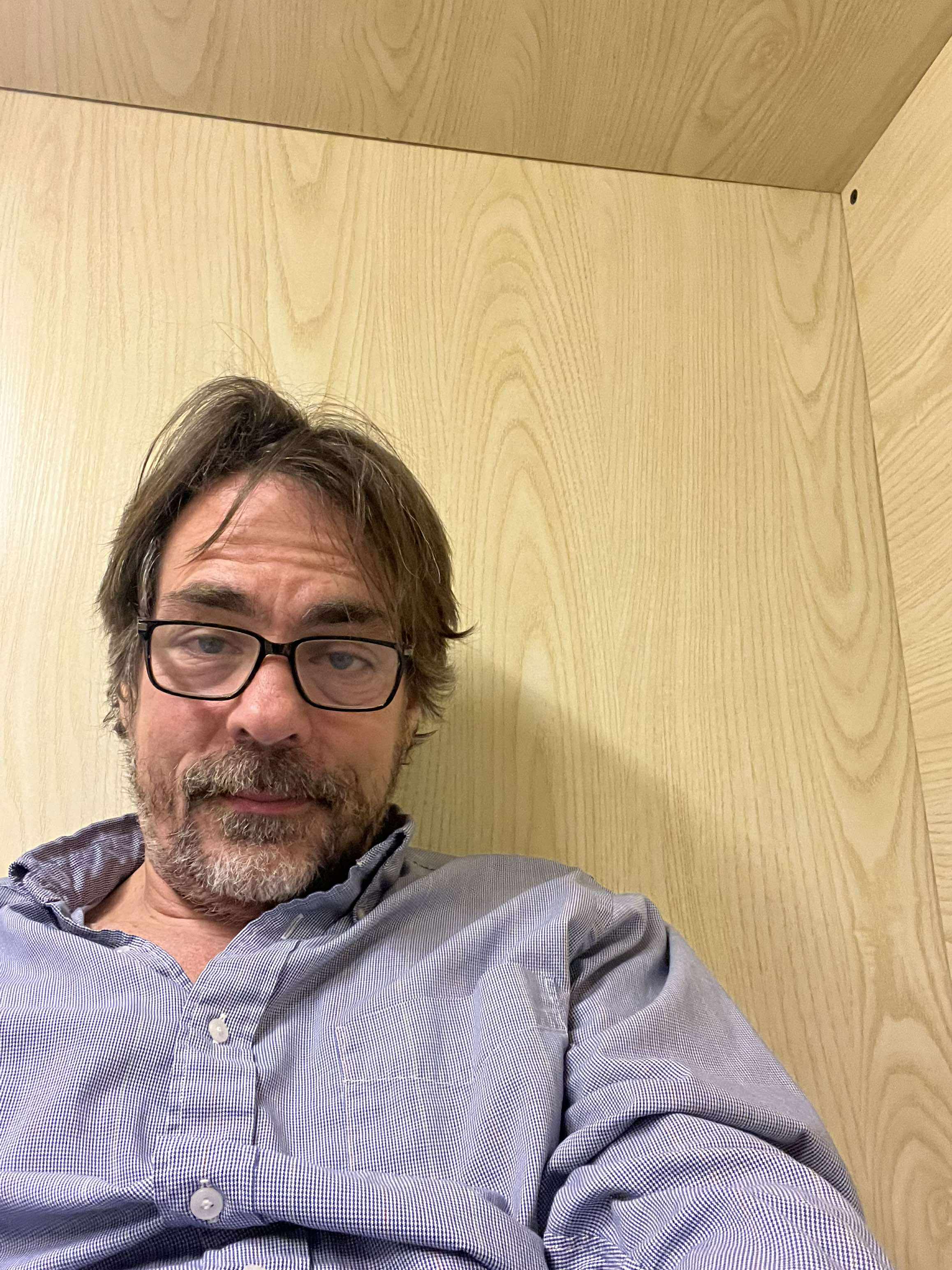
I didn’t go all the way to Vancouver. I booked a “pod” just south of the city in Richmond because I saw a program about Japanese pod hotels and it seemed like a fun way to crash for the night before turning around and heading back the U.S.A. in the morning. If you ever wondered what sleeping in a coffin would be like, this was it. But the coffin had wifi, so I got an Instagram post up about the experience. Actually, it reminded me of sleeping on the tour bus back in my road manager days, so I slept well.

This morning, after breakfast at IHOP (it truly IS international!), I headed south. There had been a lot of talk that entering the US would be the real problem. That I would be made to swear loyalty to the Mango Mussolini or would they search my phone and look at my social media footprint where I daily proclaim the emperor has no clothes. One wrong thoughtcrime and I would go from Canada to El Salvador.

There were only two lanes open at Peace Arch so I had time to watch and get nervous. It was obvious that the guards were taking their time, especially with Canadian cars. When is was my turn, I got the 20 questions, about what I did in Canada, who I met in Canada, what I bought in Canada. I know that most of these questions are meaningless and just meant to give the guard a chance to evaluate your demeanor. He took my keys and opened up the back of my car. He said, “Where are all your clothes? Your backpack’s empty.” I wanted to say, “That’s my brother’s backpack. He’s dead.” But, for some reason, I said, “I left them in Seattle.” Again, my white maleness played a role, I’m sure. I was allowed to enter my country and head home to pick up my kid.

The whole thing was weird. Why are there armed guards before you get to the Canadian border guards? What are they asking Canadians coming into the U.S.? Last night, it felt like they are trying to stop people from escaping  the United States, not escape into it, like a scene from The Handmaid’s Tale. I can’t change my skin tone to repeat the experiment, but the joy of international travel by car is now tense and scary. Part of me wonders if I should have just stayed in my pod.
Winding Down Elementary School: Gender Check-In

May 15, 2025

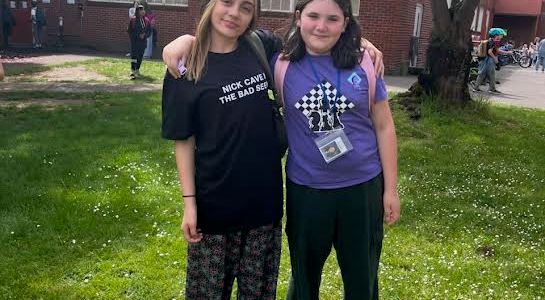
As fifth grade starts to wind down and the complex reality of middle school looms, I’m reminded of how this blog began. November 2014, I was a stay at home dad, spending my days with Baby Cozy, wondering how I was going to raise a girl in a culture that still devalued half the population. The idea of a blog charting the challenges of “feminist fatherhood” seemed like a good way to share the struggle. Over ten years later, while the the world burns, protecting her gendered journey is still the priority.

The experience of elementary schools has seen the predicted emergence of pre-teen gender rolls. As discussed in Carol Gilligan’s pioneering 1982 study, In a Different Voice, the primary grades, 1 – 3, saw boys and girls as a fairly homogenous blob of “kids.” Half of Cozy’s friends were made of snips, snails and puppy-dogs’ tails. But by 4th, each team peeled off. In fourth grade, Cozy found her tribe of Swifties and boys became the object of much gossip and wonder. “Does he like me?”

Gilligan wrote about how 13 was the age of the great gender divide in which girls start to realize their value is based on how boys view them and their self-esteem plummets. But 2025 is not 1982, for better or for worse. For worse, kids are hitting puberty earlier now. In the 1970s, the average of the first menstruation was 13 and it’s down to 12 now. The beauty industry is targeting younger and younger girls. Cozy has been experimenting with make up but tells me it’s just for fun. On the better side, Gen Alpha kids have been raised by parents who mostly accept the basic tenants of feminism that girls and women are human beings. Boys seem less creepy and girls seem less concerned with their opinion.

We’ll see if that holds up in sixth grade.

This week I got a little tour of the middle school Cozy will attending in the fall. Parents had fun sharing their fond memories of middle school. I don’t know if it’s a “Deep South” thing, but we didn’t have middle schools where I grew up. Elementary went to seventh grade and eighth grade was high school, where you were a “sub-freshman,” the dreaded “Subbie.” Being in seventh meant you were the very big fish in the pond, but the year was also spent full of horror stories about what awaited the little subbies, destined to be terrorized by giant (and practically adult) high school kids. “They’ll force you to do heroin in the bathroom!”

I’ve gathered that middle school is the crucible of adolescent drama. Take 300 kids going through puberty and lock them in a building together for 5 days a week and see what happens. I’m guessing the gendered game of attracting boys is part of that. I’m hoping Cozy’s internal compass is rooted in enough self-efficacy that she won’t be knocked off track by that monstrous norm. But I’ll be on the look out for anything that looks like the surrendering of self that happens to girls in that patriarchal zone, including eating disorders. I think her girl squad will provide a buffer to that traditional pull.

When this blog started, my primary rants were about gendered baby toys and the lack of TV commercials that show men doing housework. Now we’re getting into the real stuff, from body image to sexual safety. This is where the feminist fatherhood business either pays dividends or goes into crisis mode. I have faith in my daughter. The rest of the world, populated by MAGA incels and Carl’s Jr. ads, I’m on guard against. What will happen?

The James Bond Project #21:  The World Is Not Enough (1999)

May 1, 2025

This series is intended to evaluate each product of the James Bond film franchise through a feminist lens, and the relevance of the Bond archetype to shifting ideas of masculinity in the 2020s.

The World Is Not Enough (1999, directed by Michael Apted)

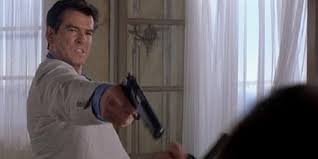
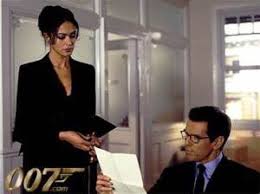
Four decades of 007 movies and so many bullets fired at Bond. Not that I want to see James get shot, but couldn’t one bullet at least graze his perfect temple? The World Is Not Enough, Pierce Brosnan’s third go at 007, finds Brosnan comfortably coasting as Bond in a film with epic stunts but not much else. Eon Productions still seems unsure of Bond’s role in a post-Cold War world, so they rely on the time-tested (over 37 years! That’s 4 years older than Jesus Christ!!) conventions. James in a tux in a casino. James wrestling a nuclear submarine. James and his obligatory three sexual conquests. Yawn.

Barbara Broccoli wanted to find a director who could bring out strong female performances. (Peter Jackson, pre-LOTR, had been considered.) She settled on Michael Apted because of his work with Sigourney Weaver (Gorillas in the Mist), Jodie Foster (Nell) and Sissy Spacek (Coal Miner’s Daughter). All three women were nominated for Oscars (with Spacek winning). One would think that would lead to a more woman-centered film, especially after the heavy reliance on Michelle Yeoh in Tomorrow Never Dies. Nope. TWINE is about as boilerplate Bond as we get.

Side note, as a viewer who has been keeping an eye on the credits of these films, the one filmmaking role that is most constantly populated by women (besides costumes, and hair & makeup) is the casting director. According to 2025 data, 74% of casting directors in the United States are women. So one wonders what casting director Debbie McWilliams was thinking when she cast Denise Richards as nuclear physicist Dr. Christmas Jones. Richards was an “it” girl in the late 90s, starring in two of my favorite fluff films of the era, Starship Troopers and Wild Things. She might be believable cast as a substitute high school science teacher (maybe), but as a nuclear physicist dressed as Lara Croft, completely laughable. Maybe Barbara Broccoli was trying to hold on to the horny teenage boy demographic (who, in 1999, were heavily breaking for Natalie Portman in Star Wars: Episode I – The Phantom Menace).

There were some casting coups in TWINE. Robert Carlylem, who had been so great in Trainspotting, was cast as the psychotic terrorist, Renard. And Sophie Marceau, the French actress who stared in Braveheart and Anna Karenina, played the erotically complex role of Electra. But most notable was the final performance of Desmond Llewelyn as Q. The one consistent thread through the Bond franchise was Llewelyn’s Q, starting with From Russia with Love in 1963, through 17 films. TWINE had Q training his replacement, R (played by Monty Python’s John Cleese) and joking about retirement, but his fate in the series was sealed. Three weeks after the premiere of TWINE, Llewelyn, 85, was driving home in his Renault Mégane, when he was hit head on by 35-year-old man in a Fiat. To die a young man’s death.

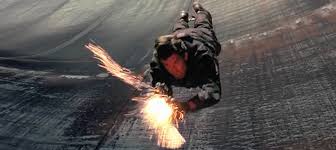
The World Is Not Enough, as expected, has plenty of exotic locations, including Spain, Azerbaijan, and an UNDERGROUND LAIR in Kazakhstan. We even get the Bond staple of 007 on skis being chased by Russian assassins. (Don’t fix it if it ain’t broke.) But this film finally gives us an action sequence in London with an epic boat chase on the Thames that climaxes with Bond flying off his rocket boat and grabbing a dangling rope of hot air balloon that the beautiful assassin is getting away in. (Assassin played by Maria Grazia Cucinotta. I had to look her up.) Cinema!

The 20th century of Bond ended, not with a bang, but with a meh. Let’s analyze it.

Driver of Action – Unlike the previous film, TWINE is a Bond solo vehicle. There’s a subplot about a relationship between Renard and Electra but it’s barely dealt with. M has more of a role but she’s mostly another damsel in distress for 007 to rescue. The world is not enough for the black hole that is James Bond.

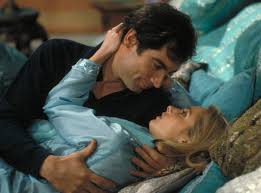
Role of Violence – The body count is significantly less than the last two Brosnan films. About 19, if you don’t count all the henchmen that drown in the nuclear submarine. He kills Renard with a nuclear fuel rod to the chest. More dramatic is when he confronts Elektra for planning mass murder. “You wouldn’t kill me. You’d miss me,” she says. “I never miss,” he says then shoots her in the chest. She dies in her bed and Bond lays on top of her in one of the creepiest moments in the franchise.

Vulnerability – Early in the film we see James wearing glasses, but they may be a disguise, not a sign of aging. Later, when the beautiful assassin blows up her hot air ballon, he falls, crashing on a roof and dislocating his shoulder. It’s not getting shot, but it’s something. Later, Elektra talks about the death of her mother and asks James, “Have you ever lost someone?” but the scene moves on before we can get a glimpse of James recalling the death of his wife. That inference is left for longtime Bond fans.

Sexual Potency – The formula is in play. First Bond sleeps an MI-6 doctor, Dr. Molly Warmflash (I shit you not) so he can get her to forge a doctors note so James can get back to work. Then he sleeps with Elektra, who turns out to be a bad girl. At the end of the film, he sleeps with Dr. Christmas Jones as M, R, and the rest of the MI-6 brass watch their humping heat signatures. Bond quips, “And I thought Christmas only came once a year.” Check, please!  And, just to check it off the list, there is the prerequisite sex banter between James and Moneypenny. “Close, but no cigar.”

Connection – Yeah, no. Brosnan has mastered Moore’s detached Bond. There’s no sense of connection, not even with the fading Q or captured M. There are no CIA friends to lean on. We’re not sure why he sleeps with Elektra. It’s just expected. And his relationship with Denise Richards’ nuclear-physicist-damsel-in-distress-in-wet-clothes is more than flimsy. They don’t end up in a screwing in a boat. They do it on a rooftop in Istanbul while fireworks explode overhead. But for a Bond climax, it’s pretty flaccid.

Toxic Masculinity Scale – 6

Summary Bond 1999 is a disappointment. The previous film, Tomorrow Never Dies, offered so much promise. TWINE feels like a big back slide. Brosnan is playing a cartoon character version of James Bond, swimming up from the floor of the Black Sea, with his damsel in distress, holding his breath. (If ever a scene needed a man-eating shark.) We expect the sexy one-liners. When future beautiful assassin is just the beautiful cigar girl, she asks James, “Would you like to check my figures? Bond replies, “Oh, I’m sure they’re perfectly rounded.” Low hanging fruit. The action scenes redeem somewhat but, otherwise, this is 007 the two-dimensional prick.

The film was originally going to be called James Bond 2000, but they moved up the release to cash in on the holiday season and the film did quite well. (It was the first film I saw as a new homeowner on Thanksgiving night 1999.) The World Is Not Enough premiered in LA on November 8, 1999, as a MGM film (not United Artists). Four days later a massive earthquake struck Turkey, destroying some of the locations used in the film. The theme  song, performed by Garbage, attempted to make the film contemporary, but the TWINE made Bond feel like an artifact of the 20th century. Brosnan would have one more chance to update Bond for the new millennium.

Next: Die Another Day (2002)

The James Bond Project #20:  Tomorrow Never Dies (1997)

The James Bond Project #19: GoldenEye (1995)

The James Bond Project #18: License to Kill (1989)

The James Bond Project #17: The Living Daylights (1987)

The James Bond Project #16: A View to a Kill (1985)

The James Bond Project #15: Never Say Never Again (1983)

The James Bond Project #14: Octopussy (1983)

The James Bond Project #13: For Your Eyes Only (1981)

The James Bond Project #12: Moonraker (1979)

The James Bond Project #11: The Spy Who Loved Me (1977)

The James Bond Project #10: The Man with the Golden Gun (1974)

The James Bond Project #9: Live and Let Die (1973)

The James Bond Project #8: Diamonds are Forever (1971)

The James Bond Project #7: On Her Majesty’s Secret Service (1969)

The James Bond Project #6: You Only Live Twice (1967)

The James Bond Project #5: Casino Royale (1967)

The James Bond Project #4: Thunderball (1965)

The James Bond Project #3: Goldfinger (1964)

The James Bond Project #2: From Russia With Love (1963)

The James Bond Project: #1: Dr. No (1962)

Cooling Off the Hot Air of the Manosphere

April 28, 2025

I’m trying to navigate my newfound celebrity. For whatever algorithmic reason, my Instagram account has exploded. At this writing I have over 62 thousand people following and over 3 million views in the last 30 days. That includes a certain star of Pretty in Pink and The Breakfast Club. I’ve gone viral! My 90-second takes on the state of political crisis are generating a vibrant dialogue from people around the world who are concerned about the fate of American democracy.

And it’s also brought out the trolls.

It’s shouldn’t be surprising that right-wing trolls target my masculinity. They call me “gay,” “beta,” and “cuck.” It’s the same language of the schoolyard bullies who called me “fag” and “pussy.” One troll said, “I bet he can’t even do 20 push ups.” (I immediately got on the floor to make sure that I could.) Somehow they associate caring about democracy with being feminine and they associate being feminine with being weak. These “alpha men” must not know any actual women. And their AI girlfriends don’t count.

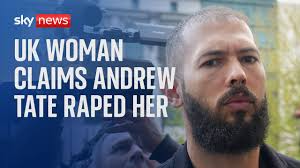
I’ve written endless words in this blog about the ginned up “mansophere,” the booming world of performative masculinity that is there for boys and men who can’t navigate the social changes that include seeing girls and women as human beings. These are the fragile fellas that rally for Trump and rail against all things DEI, that think the man should be the king of his castle. They love MMA and rapists like Andrew Tate because they  mourn the loss of the myth of unrestrained male id, to fight and fuck whoever they want. Trump allowed them to escape 4chan and take over Washington. Pete Hegseth is the Incel god.
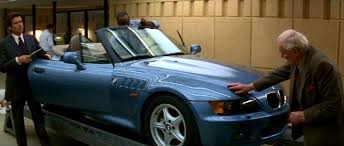
The fragile troll boys aren’t much of an issue for me. I learned how to deal with them in high school. Redan High had a notorious bully named Ted who one day during lunch, unprompted, said, “Blazak, you’re a pussy.” I shot back, “Well, Ted, I guess you are what you eat, you dick.” I escaped while he tried to figure out what I had just said. These guys are never too smart. They can’t argue policy. They only have ad hominem attacks on how much you’re not like their avatar on Grand Theft Auto V.

Where the danger is in how these “alpha men” treat women and how they vote. The gender gap among the youth is widening. According to a recent NBC poll, only 24% of young women approve of Trump’s performance, but 45% of young men approve of Trump’s shit show. I see this in my college students. There are young men, including men of color, who see the MAGA movement as “preserving” a world where men had status over others. The idea of sharing power cripples them with fear. Trump, the sexual assaulter, with the porn star wife, is their redemption.

So they come after me as a “soy boy libtard.” It would be funny if it wasn’t so sad. Their hollow macho fantasies of fascism will ultimately bite them in the ass. This isn’t their imagined Roman Empire and it was never meant to be. But trying to beat them down only triggers their fight response. We need to learn how to talk to these boys and men to bring them into the family of man and woman. Alpha Men might just need a hug.

Save America – Adopt a Republican

April 18, 2025

This national divide we’re in feels like a ramp up to civil war, brother vs. brother. But instead of the “We Want to Keep Slaves” Confederacy versus the “Let’s Just Brutalize Indians” Union, it’s MAGAts versus Libtards. Have we ever been so divided?

I’ve been writing about the Great Schism in this blog since 2015, when Donald Trump came down from Billionaire Heaven on his golden escalator to blather about Mexicans being “murderers and rapists.” But since my work on a federally funded de-escalation project, I’ve been pushing a controversial approach to the conflict, talk to the other side instead of yelling at them.

Trump and DOGE ended the funding for our 3-year project to reduce political violence, but I have a new audience; Instagram. For whatever reason, my Instagram account (@blazakr) has exploded, from 2000 followers last week to over 43,000 (including some favorite celebs). The algorithm gods have said, “You must take this message to the people.”

Here’s the simple truth. The 2024 election gave Trump the White House and both chambers of Congress. Trump and his MAGA acolytes believe America handed them a mandate, even though Trump got less than 50% of the votes. (77.3 million Americans voted for the Orange Don, but 108.5 registered voters didn’t even vote.) Since January 20th, Trump and his D.C. droogs have gone buck wild, shredding the very fabric of our democracy. DOGE has thrown over 65,000 Americans out work (and countless jobs that relied on federal funding, like mine). People have watched their 401Ks tank as Trump cosplays tough guy with tariffs. And between the ejection of due process protections and official buffoons chatting war plans on leaky apps, in 89 days the world has watched America collapse into a shithole nation.

Trump and his elite democracy death squads are hard at work dismantling the guardrails of our sacred system of checks and balances. His complete disregard with the Supreme Court’s unanimous order to facilitate the return of Kilmar Abrego Garcia from El Salvador is just one example of the collapse of the rule of law. Tik tok time is running out for the USA.

But there are still options on the table. The millions of Americans taking to the streets is a central strategy. The 2020s could make the 1960s look like the 1950s in terms of protest actions. But I’d like to offer an additional strategy to rescue this 249 year old citizen ship.

Talk to Republicans.

We have to build a majority and there are some important populations to bring on board our pro-democracy movement. The first are Trump voters. That includes the thousands of Trump voters who voted for Biden in 2020. Many of these people are not happy with what Trump, and his boss, Elon Musk, have done to their country. They are farmers and (former) federal workers, parents of kids with disabilities, and old white people who were about to retire.

I tend to lump Trump voters into three categories. There are the MAGA cult members who think Trump is Jesus. They refuse to believe he has ever lied or committed a crime. The 2020 election was stolen because he told them it was. The only way to reach them is with a serious deprogramming regiment. Then there are the fascists. They loved the cruelty of Trump 1.0 and they want Trump 2.0 to bury our multicultural democracy once and for all. They are accelerationists who fuel the chaos and dream to create a white ethno-state from the ashes.

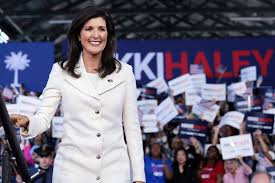
But the third group are perhaps the biggest. They are the casual Trump voters. They voted for Trump because he told them he would drop the price of groceries and adult diapers on Day 1. They thought a businessman would make a better president than a Democrat big government liberal. Many believed the complete crap that came out of Trump’s mouth about “illegal aliens” and “transgender athletes,” and the complete crap that came out of the right wing noise machine about Kamala Harris. Many supported Nikki Haley and held their noses to vote for Trump.

These people can be reached. Many of them are already protesting in front of Tesla dealerships and raising hell at Republican town halls. They are ripe for the picking. But they won’t be won over by being told how stupid they were for voting for Trump. They share many common values with us, including caring about our democracy and the future our children face. And many care about the immigrants in their churches and communities. This is the time to unclench the fist and open the hand.

This same appeal to decency and democracy instead of cruelty and barbarity can be made to the millions of Americans who didn’t vote. We need them, too. The very existence of this nation is on the line. We might not all be perfectly in sync on Gaza or GMOs (but at least we are on the same page about Greenland), and that’s OK. We need to drop the dogma and show up for the promise of America.

The other population to reach out to are elected Republicans. Many have sold their souls to Trump and live in fear of his wrath if they waver in their loyalty. They kiss his ass profusely out of terror of being accused of a thoughtcrime, being a RINO. But there are others who see the cracks in MAGA and are facing re-election in 2026. They know Trump’s War on Woke won’t win over the electorate when eggs are $16 a dozen and retirement accounts have been zeroed out. They include the Reagan Republicans who can still hear the ghosts of John McCain and Mitt Romney. (I know Mitt is still alive, but you know what I mean.) The constituents of these R’s should flood their offices and town halls with demands that they stand up to the Trump-Musk assault on America.

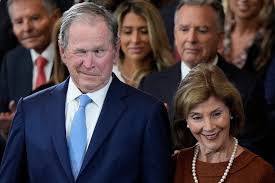
I can’t believe that I’m going to say this, but we need Republicans right now. Yeah, I’m pissed that that Kamala Harris is MIA in this fight, but you know who could really taken Donald down a few pegs? George W. Bush. Yeah, I know, war criminal. But good God, if anybody could peel away some good ol’ boys from the Trump train, it’s W. and his folksy charm. There are Republicans who know that Putin is the bad guy and that undocumented immigrants deserve kindness not cruelty. They need a permission structure to abandon MAGA.

Look, I’m as radical as the next sociology professor. I think capitalism is a death trap for the masses. But I’m willing to put my righteousness to the side while we save this democratic experiment that is America. That’s why I’m urging every liberal, progressive, radical, libertarian, and vegan pagan priestess to adopt a Republican. Reach out to one Trumpie, whether it’s a co-worker, family member or U.S. Senator. Make them your pet project.

Instead of screaming at them (the temptation is real), ask them how they’re doing. Be curious about their lives and then steer the conversation to our common values and how we’re not red and blue Americans, but just Americans. Stay calm and kind. Discuss the harm done to people you know. Don’t get distracted by silly tirades about “men in girls’ sports.” Stay focused on preserving the fabric of America’s Constitutional democracy. Fighting on social media is fun but where has that gotten us? Let’s try something different. It’s just us. No them. And many of these attempts will be complete failures, but some folks will flip and that might just enough to save us. Kill MAGA with kindness. They won’t know what hit them.

The James Bond Project #20:  Tomorrow Never Dies (1997)

April 17, 2025

This series is intended to evaluate each product of the James Bond film franchise through a feminist lens, and the relevance of the Bond archetype to shifting ideas of masculinity in the 2020s.

Tomorrow Never Dies (1997, directed by Roger Spottiswoode)

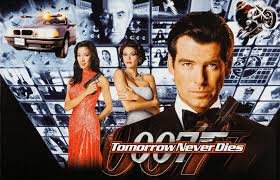
OK, who wouldn’t be excited for a film that paired James Bond and Michelle Yeoh? I mean seriously. Yeoh was still more known as a Hong Kong action star and was three years from 2000’s Crouching Tiger, Hidden Dragon, but this pairing was inspired. Tomorrow Never Dies, Pierce Brosnan’s second 007 film (and the first after producer Cubby Broccoli’s death) is another post-Cold War blockbuster that ramps up the violence and pits James against a megalomaniac media mogul who is probably supposed to be Rupert Murdock, if Rupert Murdock thought nuking Beijing could improve ratings.

The casting of TND (the title inspired by the Beatles’ “Tomorrow Never Knows”) is mostly spot on. Bond “girl” Michelle Yeoh, as ass-kicking Chinese agent Wai Lin, is genius. Terri Hatcher, hot off Lois & Clark, as a past “love” interest of James, grabs the screen. Judi Dench is in full command as M. Joe Don Baker is back as CIA agent Jack Wade. Desmond Llewelyn is hilarious as Q (“Grow up, 007”). There’s a funny bit with Vincent Schiavelli (Mr. Vargas in Fast Times at Ridgemont High) as a professor/assassin. But Jonathan Pryce’s portrayal of evil media magnet Elliot Carver is so cartoonish, it kills the good versus evil paradigm. More like, good versus goofy. (Anthony Hopkins was offered the role but declined in favor of making The Mask of Zorro.)

The writing is much sharper than GoldenEye, including James’ quips. Even Miss Moneypenny gets in the action. “You always were a cunning linguist, James.” And the action is bigger. There are a lot of explosions in this film. A lot. The direction by Roger Spottiswoode (Turner & Hooch, 1989) is meant to fill the wide screen with non-stop action. Apparently, Michelle Yeoh wanted to do all her own stunts but Spottiswoode had to hold her back for liability concerns. 

Tomorrow Never Dies has lots of Bond staples; 007 in a tux, 007 scuba diving, 007 flying a plane that’s not his, 007 not being struck by any of the thousands of bullets being fired at him. And he’s got a woman in every port. Most of the film takes place in Hamburg, Germany, Saigon, Vietnam, and the South China Sea. Bookended with theme songs by Sheryl Crow and k.d. lang, it’s Bond carving out space in a woman’s world. “Never argue with a woman,” he says in the film.

Let’s plug Tomorrow Never Dies into our matrix.

Driver of Action – The second half of this film actually feels like a buddy film. Once Michelle Yeoh drops into the plot, there are two action stars on the screen. I don’t know if Eon Productions magically knew that Yeoh would become one of the biggest movie stars of the 21st century, but she’s driving a lot of the action at the end of the film. She has to do a bit of time as a damsel in distress to justify the sexual chemistry (Bond still can’t have a woman who is an equal), but, so far in the franchise, this is close to a screen share as we’ve seen.

Role of Violence – Bond with a machine gun and hand grenades is a killing machine. It’s another bloodbath. It’s so far removed from Connery’s Bond, it’s hard to believe it’s the same character. The climatic finale, where he kills Carver with a giant drill, used to sink battle ships, is particularly gruesome. But Wai Lin is wailing away as well, mostly using marital arts, so there’s a female balance to 007’s orgy of violence.

Vulnerability – Brosnan’s Bond is zipped up like Moore’s but there is the tiniest glimpse of humanity this episode. It’s established that he has a history with Carver’s wife, Paris (Terri Hatcher). When she appears in his Hamburg hotel room, he’s drawn to her but expresses some guilt over abandoning her. “What happened, James? Did I get too close?” He says yes and they “reconnect.” Carver finds out and has her killed and then Bond confronts the man who killed her and shoots him in the head at point blank range.

Sexual Potency – We’re back to the criteria of 3. After the opening titles, we find James in bed with a beautiful Oxford University professor (yeah, right) “brushing up on a little Danish” after sex. Then, after reconnecting with Paris, he slips her dress off that they have sex (which gets her killed). And then he ends up with Wai Lin. Despite changing social norms, you get the feeling the Eon just gave up and let Bond be Bond.

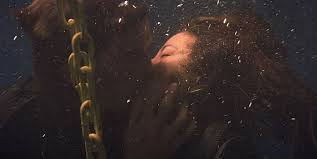
Connection – Until Wai Lin shows up, we don’t get much connection. James has no scenes with M and only briefly with Moneypenny. He softens up around Paris but she is killed before he has a chance to rescue her. Wai Lin falls back into the Damsel in Distress mode when Carver throws her into the water tied to a massive chain and she appears to drowned. James saves her with a long underwater kiss, blowing air into her lungs. But the connection between James and Wai seems more about a celebration of having just saved the world from Rupert Murdoch than anything romantic. Although they do end the film KISSING IN A RAFT in the South China Sea while the British Navy looks for them. Traditions matter!

Toxic Masculinity Scale: 5

Summary Scarface Sex Fiend Bond is somewhat balanced out by a strong female M (although Dench as a maternal concern for our man James) and a scene-stealing action star doubling as this episode’s Bond girl. Q’s tech plays an outsized role with a remote controlled BMW 750 that has a scene all to itself, and a fully-loaded cell phone (meh). Both Bond and Carver play their sexism cards. When Carver catches Wai on his stealth ship, he dangles her in front of 007 and says, “And it seems you can’t resist any woman in my possession.”

Something that stands out are the henchmen in TND. They have really cool outfits and a loaded armory, but I was left with two questions. Where are all the henchwomen? And how does one go about acquiring the job henchman? I’m assuming Carver paid top salary. Regardless, his massive stealth ship made a great stand-in for an underground lair, especially when it got blown up.

Tomorrow Never Knows premiered December 9, 1997, the same week as the Kyoto Protocol, the first global attempt to address climate change. The film was a massive success, earning a Golden Globe nomination, but kept out of the #1 spot by the behemoth that was Titanic. Its release was also timed to coincide with United Artist’s parent company, MGM, becoming a publicly traded corporation, making James Bond a massive cash cow at the end of the century.

Next: The World Is Not Enough (1999)

The James Bond Project #19: GoldenEye (1995)

The James Bond Project #18: License to Kill (1989)

The James Bond Project #17: The Living Daylights (1987)

The James Bond Project #16: A View to a Kill (1985)

The James Bond Project #15: Never Say Never Again (1983)

The James Bond Project #14: Octopussy (1983)

The James Bond Project #13: For Your Eyes Only (1981)

The James Bond Project #12: Moonraker (1979)

The James Bond Project #11: The Spy Who Loved Me (1977)

The James Bond Project #10: The Man with the Golden Gun (1974)

The James Bond Project #9: Live and Let Die (1973)

The James Bond Project #8: Diamonds are Forever (1971)

The James Bond Project #7: On Her Majesty’s Secret Service (1969)

The James Bond Project #6: You Only Live Twice (1967)

The James Bond Project #5: Casino Royale (1967)

The James Bond Project #4: Thunderball (1965)

The James Bond Project #3: Goldfinger (1964)

The James Bond Project #2: From Russia With Love (1963)

The James Bond Project: #1: Dr. No (1962)

The James Bond Project #19: GoldenEye (1995)

April 15, 2025

This series is intended to evaluate each product of the James Bond film franchise through a feminist lens, and the relevance of the Bond archetype to shifting ideas of masculinity in the 2020s.

GoldenEye (1995, directed by Martin Campbell)

The first Bond film in the fourth decade of the 007 franchise is something of a synthesis of all the previous EON Production films and a fair send-off for EON producer Cubby Broccoli, who died five months after its release. After a long six year gap, while Eon dragged Timothy Dalton into development hell, Bond was back with Pierce Brosnan as the new British MI-6 commander. GoldenEye fused License to Kill’s vengeful 007 with the smarmy, Casanova Bond of the past. The first Bond film not to be based on an Ian Fleming story is a sweeping tale that presents Bond with his first post-Cold War conflict and was tailor-made for 90s audiences who were getting used to the widescreen violence in films like Natural Born Killers.

Brosnan, who had been offered the role before Dalton, comes in a more upper crust English, but also more boyish, Bond who has parachuted into a third-wave feminist world. This disconnect is magnified by the new M, now played by Dame Judi Dench. The new M states a clear opinion on the archetype that is Bond, James Bond. “I think you’re a sexist, misogynist dinosaur, a relic of the Cold War, whose boyish charms are wasted on me,” she tells him. Welcome to the 90s, James. We still have Desmond Llewelyn as Q to link us to the Bond cannon. This installment’s Bond “girl” is Swedish model and actress Izabella Scorupco, who forces a rough Russian accent. Also trying to be Russian (or Georgian) is “sadistic lust murderer” Xenia Onatopp (There’s the names we love in these films), played by Famke Janssen (soon to be Jean Grey in the X-Men films).

GoldenEye starts with a flashback to the Cold War days with 007 and 006 on a mission in the Soviet Union where 006 (played by the great Sean Bean) is killed. Bond blames himself, setting up the revenge redux. After an epic scene where James dives into a falling plane (This is the first Bond film to use CGI), we flash forward to the present where new Russia is losing track of its shit and we’re off. The scene where James is chasing the rogue Russian general through the streets in St. Petersburg in a giant Russian tank was classic 007 thrills on the big screen. I remember watching it in the Lloyd Center Cinema and thinking it was the wildest thing filmmakers could cock up for a James Bond movie.

This installment gives us plenty of Bond staples fans crave. There’s Bond in a tux, playing baccarat, there’s Bond in the Caribbean, there’s the double entendre quips (none very clever), and thousands of bullets fired at our James with nary a scratch. The film also features some epic stunts, including a record setting bungee jump off a Russian (actually Swiss) dam that has to be seen to believed. Brosnan plays Bond closer to Moore than Connery and his bourgeois demeanor adds to the “Man out of place” element that makes this film kinda fun. Cubby Broccoli’s daughter, Barbara, took over the production as her father’s health failed, so some of the gender commentary may have been here doing.

Let’s see how GoldenEye fares in our feminist matrix.

Driver of Action – New Bond, new star. Q and his lab techs show up for comedic effect. There’s a new CIA agent, Jack Wade, to help out (Joe Don Baker is back!) because Felix is still legless from the shark. The new post-communist Russia really plays the support role. In the gap between Yeltsin and Putin, it presented a blank slate to the world, where the need for secret agents might be a thing of the past. But this film rests purely on the shoulders of Remington Steele star Pierce Brosnan.

Role of Violence – There’s a lot of slaughter in GoldenEye, largely due to Bond’s use of machine guns. I had to ask ChatGBT the body count because I lost track. AI reports James killed 47 people in the film, mostly Russian soldiers. (Wasn’t the Cold War over?) There’s also some weird violent sexual scenes with Xenia Onatopp (we’re to believe that violence is her kink) and a scene where 007 knocks her unconscious.

Vulnerability – For the first time in a Bond film, we learn that James’ parents were killed in a mountain climbing accident when he was a boy. But there’s no sense that this plays a role in his present psyche. It’s just presented as a factoid to contrast the story that 006’s parents were killed by Stalin.  There’s no James in love and only a mild sense of guilt that 006’s death might be his fault.

Sexual Potency – Here’s the James Bond rule of three. 1) Caroline – An MI-6 psychologist, sent to evaluate James, gets seduced by our agent who has a bottle of bubbly in the glovebox. He’s going to let her give him, “a very thorough evaluation.” Wink. 2) Xenia Onatopp – It’s more fighting than sex. James is taken aback by her biting his lip and drawing blood. Her death (pulled into a tree by a helicopter) is also played as sexual but in 2025 seems just weird. 3) Natalya Simonova (played by Izabella Scorupco), a Russian computer programmer, is Bond’s “love” interest/damsel in distress in the film. He forcibly kisses her and then suddenly they’re a romantic couple. (This quasi-rape trope seems all too common in 007 flicks.)

It should be mentioned that Bond’s relationship with Moneypenny (now played by Samantha Bond) is firmly located in 90s feminist positions. She’s not having any of James’ “charm” offensive. Bond: “What would I do without you?” Moneypenny : “As far as I can remember James, you’ve never had me.” Bond: “Hope springs eternal.” Moneypenny: “This sort of behavior could qualify as sexual harassment.” Finally.

Connection – Brosnan plays Bond detached, as we have come to expect. There’s a hint of a back story between 006 and 007 that might have been nice to know about. As is expected, he and Natalya end the film together, not in a boat but in a Cuban meadow. They think they’re alone, but there is some coitus interruptus from the United States Marines, so they’ll have to save their victory sex for another day, or never. There’s no real chemistry between these two so the door is open for Bond’s next “girl.”

Toxic Masculinity Scale: 5

Summary The opening title sequence of GoldenEye, with women smashing hammers and sickles to a song written by U2 (and sung by Tina Turner) locates the film in a new era. The Cold War was the golden era of the Flemming novels and the platform for Bond’s good vs. evil adventures. Now New Bond is forced (again?) to find his relevance. Is he a 90s-action hero, right up there with Arnold Schwarzenegger, or a washed-up antique who has lost his cultural relevance? His elevated violence and philandering may be intended as a middle finger to the politically correct shifts in cinema.

The tech in GoldenEye is a co-star along with lots of product placement. (Welcome to the new global market place.) IBM is featured front and center (and a great scene where a young Alan Cumming gets an “email”). The Aston Martin is replaced with a BMW, fully loaded with Q’s gadgets. “You have a license to kill, not to break the traffic laws,” Q tells an impish Bond. GoldenEye also gives us that most central staple of Bond Baddie accessories, the underground lair, hidden below a lake, from where a deadly satellite is controlled. Its explosive destruction is everything that Bond fans buy movie tickets to see.

GoldenEye premiered on November 13, 1995 at Radio City Music Hall, as the war in Yugoslavia, the largest hot war resulting from the end of the Cold War, was reaching its peak. The direction of Martin Campbell and the production of Barbara Broccoli (with Judi Dench’s M) represented a chance to reboot the franchise in a world without the Soviet Union. What issues would MI-6 confront as the 20th century closed? With the help of CGI, the promise of epic stunts and a horny agents would be a part of it.

Next: Tomorrow Never Dies (1997)

The James Bond Project #18: License to Kill (1989)

The James Bond Project #17: The Living Daylights (1987)

The James Bond Project #16: A View to a Kill (1985)

The James Bond Project #15: Never Say Never Again (1983)

The James Bond Project #14: Octopussy (1983)

The James Bond Project #13: For Your Eyes Only (1981)

The James Bond Project #12: Moonraker (1979)

The James Bond Project #11: The Spy Who Loved Me (1977)

The James Bond Project #10: The Man with the Golden Gun (1974)

The James Bond Project #9: Live and Let Die (1973)

The James Bond Project #8: Diamonds are Forever (1971)

The James Bond Project #7: On Her Majesty’s Secret Service (1969)

The James Bond Project #6: You Only Live Twice (1967)

The James Bond Project #5: Casino Royale (1967)

The James Bond Project #4: Thunderball (1965)

The James Bond Project #3: Goldfinger (1964)

The James Bond Project #2: From Russia With Love (1963)

The James Bond Project: #1: Dr. No (1962)

The James Bond Project #18: License to Kill (1989)

April 8, 2025

This series is intended to evaluate each product of the James Bond film franchise through a feminist lens, and the relevance of the Bond archetype to shifting ideas of masculinity in the 2020s.

License to Kill (1989, directed by John Glen)

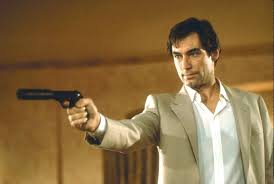
Timothy Dalton’s Dark Bond is back for the second and final time in this revenge film that calls itself a James Bond movie. Maybe Eon Productions thought gangsta rap fans in 1989 wanted a 007 who was closer to Scarface than the guy in Goldfinger. License to Kill sees Bond go rogue from MI-6 as he goes after the guy who kidnapped his friend, CIA agent Felix Leiter, and fed him to a shark (after killing his wife). There’s no time for snarky quips here. James is out for blood.

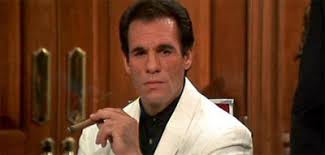
License To Kill brings the action closer to home, primarily Key West, Florida, a bit of Bahamas, and a fictional country called the Republic of Isthmus (that’s actually Mexico). Even M and Moneypenny’s London scene was shot in Mexico to save money. David Hedison, who played Felix Leiter in Live and Let Die, is back in the role 16 years later. Carey Lowell, who went on to fame on TV’s Law & Order, was this installment’s Bond “girl.” The object of Bond’s obsession is drug lord Franz Sanchez, expertly played by Robert Davi, who will always be Jake Fratelli from The Goonies, to me. His sidekick is played by a very young Benicio del Toro. The score was by the brilliant Michael Kamen, who had just done the music for Die Hard.

The last of Bond film of the 1980s was also a fond farewell of sorts. It was the final film produced by Albert “Cubby” Broccoli, who had produced every Eon Bond film since Dr. No in 1962. It was the last Bond directed by John Glen, who had filmed all five 007 films of the eighties. It was the last Bond project of screenwriter Richard Maibaum, whose work goes back to Dr. No. It was also the last film appearance of Robert Brown (M since Octopussy) and the final film of Maurice Binder, who had designed the iconic opening title sequences of every Bond film since 1962.

Even though License to Kill may have been an end of era, there will still plenty of reminders of the staples of the franchise, primarily sharks and Q. Desmond Llewelyn’s Q gets more screen time than in any Bond film to date. Like James, Q goes rogue and arrives in Isthmus to help 007 with his revenge fantasy. Like Batman’s butler Albert, he’s not afraid to be right in the action. And because the action returns to America, we see more African-American actors, including DEA Agent Hawkins (played by Die Hard’s Grand L. Bush) and CIA aid Sharkey (played by pro football player Frank McRae).

The Dark Bond of License to Kill is a bit more unhinged than in The Living Daylights, so let’s do the analysis.

Driver of Action – While LTK is formed around Bond’s revenge plot, he does share the screen. Pam Bouvier (Carey Lowell), his femme fatale is less fem and more fatal. She’s a shotgun toting ex-Army pilot who never plays the damsel in distress. In fact, she saves James more than once. Bond even says, “Yes, sir!” to her at one point because she’s clearly in charge.

Role of ViolenceLicense to Kill takes the title literally. This film is a blood bath. Bond kills at least a dozen people, some in gruesome ways. He throws a renegade DEA agent into a shark tank and watches him get gobbled up by a Great White. He rigs a diving pressure chamber on boat and watches as a drug trafficker explodes inside it, his head inflating like a balloon. In the final act of revenge, he sets Sanchez on fire with the lighter Felix gave him at the wedding. It’s supposed to feel cathartic, but it just feels sadistic.

Vulnerability – We don’t get the “Is Bond in love?” question from the last installment. More like, “Has Bond lost his mind?” as he resigns from MI-6 to go after Sanchez. There is a scene at the wedding where Felix mentions to his bride that Bond was briefly married where we get a glimpse into James’ trauma, but this 007 is hard as nails.

Sexual Potency – Dalton’s Bond is still low key swinging through the AIDS epidemic, but he’s a bit more Id-drivien than The Living Daylights. First of all, there is no scene with 007 and Moneypenny in LTK, so that banter is left on the table. His relationship with Pam is more equal than previous films. (She demands to be called “Ms.” Kennedy, while playing his accomplice). They share there first kiss on a small boat (!) in the Bahamas and the scene fades as the go below deck, implying some seafaring hanky panky. He also has a fling with Sanchez’s girlfriend, Lupe Lamora (played by model Talisa Soto, who went to be Johnny Depp’s love interest in Don Juan DeMarco). Pam’s jealousy about the James-Lupe link is played for laughs, because, you know, he’s James Bond. (When Lupe tells Q, “I love James so much,” Q’s eye roll tells the whole 27-year story.)

Connection – The fact that 007 is attending Felix’s wedding as the best man is a solid implication that these men have formed a tight bond over the many years. And the fact that he throws his career out the window to go after Leiter’s attacker is evidence of his loyalty to his CIA friend (or maybe a reflection of the trauma Bond suffered when Blofeld killed his own wife shortly after their wedding). James’ connection to Pam seems more transactional (unlike his tie to Kara Milovy in the previous film). At the end of the film, he does choose her over Lupe and they end the film, fully clothed, in a pool, kissing (They’ve already checked boat sex off the Bond to-do list), but there is no sense this relationship is going anywhere.

Toxic Masculinity Scale: 5

Summary

While the hyper-violent vengeance theme doesn’t feel very “Bond,” there are plenty of 007 hallmarks here, including underwater battles with frogmen, Bond hanging off of planes, Bond gambling in his tux, and even a completely random attack by ninjas (in Mexico). We even get a nod to Blofeld when an obscured man is holding a cat at Hemingway’s house in Key West. (It’s just M.)  And there is a great theme song by the fabulous Gladys Knight. The stunts are epic with plenty of massive explosions, and a comedic appearance from Wayne Newton as a televangelist fronting for the cocaine traffickers. (You know this was a comment on the PTL scandal that dominated the media in the 1980s.)

Dark Bond pays lip service to the changing gender rolls. When Pam asks why she has to play the roll of James’ “administrative assistant” when the arrive in Isthmus, and not the other way around, James says, “We’re south of the border. It’s a man’s world.” Carey Lowell is certainly a more masculine Bond girl than we’ve seen in the past (still with plunging necklines), but this isn’t exactly a feminist film. And Bond’s sadistic use of violence erases any enlightenment our James may have experienced over the decades.

License to Kill premiered on June 13, 1989, a month after Panamanian President Manuel Noriega staged a coup to retain power in his banana republic. Similarities between Noriega and Robert Davi’s Franz Sanchez, with regard to both physical looks and cocaine connections, were commented on when the film was released. The film generated less income than previous films, perhaps reflecting its divergence from the Eon Productions formula. There was to be a third Dalton Bond film called Property of a Lady, to be released in 1991, but studio contract conflicts got in the way and we would not see a new Bond film, and a new Bond, until the mid-1990s.

Next: GoldenEye (1995)

The James Bond Project #17: The Living Daylights (1987)

The James Bond Project #16: A View to a Kill (1985)

The James Bond Project #15: Never Say Never Again (1983)

The James Bond Project #14: Octopussy (1983)

The James Bond Project #13: For Your Eyes Only (1981)

The James Bond Project #12: Moonraker (1979)

The James Bond Project #11: The Spy Who Loved Me (1977)

The James Bond Project #10: The Man with the Golden Gun (1974)

The James Bond Project #9: Live and Let Die (1973)

The James Bond Project #8: Diamonds are Forever (1971)

The James Bond Project #7: On Her Majesty’s Secret Service (1969)

The James Bond Project #6: You Only Live Twice (1967)

The James Bond Project #5: Casino Royale (1967)

The James Bond Project #4: Thunderball (1965)

The James Bond Project #3: Goldfinger (1964)

The James Bond Project #2: From Russia With Love (1963)

The James Bond Project: #1: Dr. No (1962)

The James Bond Project #17: The Living Daylights (1987)

April 6, 2025

This series is intended to evaluate each product of the James Bond film franchise through a feminist lens, and the relevance of the Bond archetype to shifting ideas of masculinity in the 2020s.

The Living Daylights (1987, directed by John Glen)

This new James Bond is quite new and old at the same time. Eon producer Cubby Broccoli had been after Timothy Dalton to play Bond since On Her Majesty’s Secret Service. In 1967, Dalton felt he was too young for the role. Now, at 41, he was the right age. With Roger Moore retired, there were several considerations for the new Bond, including Superman (and American) Christoper Reeve, Sam Neil, and Mel Gibson. Irishman Pierce Brosnan was offered the job but was under contract to the TV show Remington Steele. Broccoli’s wife, Dana, pushed to bring back Dalton to the role and she got her wish.

Besides being a “Bond-in-waiting” for 20 years, Dalton went back to the source material, Fleming’s 007 novels, to rediscover a less campy Bond, constantly living on the edge of death. His performance in The Living Daylights feels drastically different than Moore’s, less cartoonish. There are some over-the-top action scenes, like escaping Russians by sledding down a mountain, with his female accomplice, in a cello case, but the horniness and quips are dialed way back. (Although, the “He got the boot” line was classic Bond.)

The movie was the last Bond film to be scored by John Barry, with a Duran Duran-inspired theme song by A-Ha and, for the first time, a closing song by The Pretenders. TLD’s Bond “girl” was British actress Maryam d’Abo, cousin of Olivia d’Abo, from The Wonder Years. The film also introduced a new Moneypenny, played by Caroline Bliss. Desmond Llewelyn is still there as Q and, boy, does he have the gadgets in this installment.

Despite Dalton’s more toned down Bond, there are still plenty of franchise tropes, including the obligatory bikini-clad women by the pool scene, Russian assassins on skis chasing James down a mountain, Bond in his tux, and more rounds of ammunition fired at Bond than anyone could count. We have multiple locations in the eastern hemisphere, including Afghanistan after the 1979 Russian invasion. In 1987, the Mujahideen were still considered the good guys, before they birthed the Taliban and Osama bin Laden.

The Living Daylights, in many ways, feels very different. Let’s put it into our review machine.

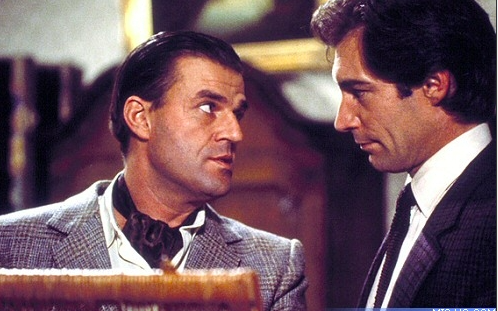
Driver of Action – It makes sense that when introducing a new Bond, you’d spend your screen time on the star. Some old friends show up, like M and CIA agent Felix Leiter, but they just pop in to move the story along. There is a fun subplot with renegade Russian General Georgi Koskov (played by Dutch actor Jeroen Krabbé, who was so good in The Prince of Tides) that feels like it could have been a great film on its own. But here we are getting to know this James, and he’s not the previous James.

Role of Violence – Dalton’s Bond is more serious than previous incarnations and so is his use of violence. He kills about 10 bad guys in the film, most notably Koskov’s henchman, Nekros, who he drops from a plane over Afghanistan by cutting his bootstraps. There’s a lot of gunfire and, while James never gets a nick, he blows away plenty (mostly Russian) dudes.

There is a scene where Bond rips a nightgown off a woman to distract a KGB agent. Seems like a gratuitous excuse to give the audience a brief boob shot.

Vulnerability – Is our James in love? His relationship with Kara (Maryam d’Abo) seems genuine. It begins when doesn’t kill her as she appears to attempt an assassination of a KGB asset and he get’s shit from another 00 agent. He also seems somewhat traumatized when that other 00 agent gets murdered with a sliding glass door.

Sexual Potency – This isn’t your father’s James Bond. It’s very possible that James doesn’t have sex with anybody in TLD. First of all, his banter with Moneypenny is chilled out. When she suggests he come over to listen to her “Manilow collection,” he looks at her like he wants to barf. 

The film centers around his partnership with Kara. He pretends to be a friend of Koskov, who is her boyfriend. When they check into a hotel in Vienna, the concierge, with a wink, says, “Your usual suite, Mr. Bond?” Instead, he asks for a suite with separate bedrooms. They end up kissing on a giant ferris wheel. (I rode that ride in Vienna in 1991!) She resists, and creepy Bond says, “Don’t think, just let it happen.” It might be implied that they hook up after that, but we never see it. Same thing when they are in Afghanistan. He tells her she is beautiful and they kiss. No morning after scenes, as we’ve come to expect.

Connection – There is some banter with Saunders, the 00 agent who gets killed helping him track Koskov. He’s detached from his other MI-6 colleagues, including the aging Q. But his affection for Kara seems genuine. “To us,” he toasts, after she makes him a martini (shaken, not stirred, and poisoned). The film doesn’t end with them having sex in a boat, but James surprising her backstage after her symphony performance, with a kiss. Will Kara Milovy return in the next film?

Toxic Masculinity Scale: 2

Summary

There are nods to Bond of old. In the opening action sequence, James after an epic battle on the Rock of Gibraltar, is parachuting over the Mediterranean. A bikini-clad woman on a yacht is on the phone complaining to a friend, “It’s all so boring here, Margo – there’s nothing but playboys and tennis pros. If only I could find a real man.” Then 007 crashes through the yacht canopy, right on cue. It’s implied that she’s found her man for a few hours. But after that, it’s all Bond, more grounded in his work than we’ve seen.

007 fans might have been disappointed by the absence of Lothario Bond (by 1987, AIDS was a full blown crisis), but they got more than they bargained for in gadgets (a ghetto “blaster”!), especially with the return of the Aston Martin. Q has loaded this car with more gadgets than Speed Racer’s Mach 5, including a jet engine. Q urges caution, “It’s just had a new coat of paint!” But we know James. The locations are also a real treat, including Czechoslovakia, Tangiers and Afghanistan (filmed in Morocco). There’s a scene of James riding across the desert on horseback with the Mujahideen that looks like a scene from Lawrence of Arabia. Glorious.

Dalton’s playing of Bond with more of an edge was well received. Maybe, by the late 80s it was time to tweak the formula. The Living Daylights premiered in London on June 29, 1987, two weeks after Ronald Reagan, standing in Berlin, said, “Mr. Gorbachev, tear down this wall.” The growing detente between the U.S. and U.S.S.R. is referenced the film as a motive for the renegade KGB agents. There’s also a goofy villain arms dealer in the movie, played by Joe Don Baker, that seems very Reagan-era. While retaining some James of old (“Forget the ladies for once, Bond,” Saunders tells him as he spots Kara through his opera glasses), we get a more serious, less flamboyant 007 in this film. Will this be the new Bond?


Next: License to Kill (1989)

The James Bond Project #16: A View to a Kill (1985)

The James Bond Project #15: Never Say Never Again (1983)

The James Bond Project #14: Octopussy (1983)

The James Bond Project #13: For Your Eyes Only (1981)

The James Bond Project #12: Moonraker (1979)

The James Bond Project #11: The Spy Who Loved Me (1977)

The James Bond Project #10: The Man with the Golden Gun (1974)

The James Bond Project #9: Live and Let Die (1973)

The James Bond Project #8: Diamonds are Forever (1971)

The James Bond Project #7: On Her Majesty’s Secret Service (1969)

The James Bond Project #6: You Only Live Twice (1967)

The James Bond Project #5: Casino Royale (1967)

The James Bond Project #4: Thunderball (1965)

The James Bond Project #3: Goldfinger (1964)

The James Bond Project #2: From Russia With Love (1963)

The James Bond Project: #1: Dr. No (1962)

Watching the Death of Nation in Real Time

April 1, 2025

A hundred bucks says Donald Trump has never read the U.S. Constitution. Or The Bible. Or a book. His latest blather about running for a third term is either an overt telegraphing that he’s going to pull a Putin and declare himself “President for Life” or it’s another distraction from that fact that he and Musk are crashing the system so they can scoop up the pieces.

Either way, America is screwed.

I’ve written ad nauseam about the elements of the Trump movement that map directly on to the rise of fascism, starting back in 2015. The parallels this time around are even more stark, including hollowing out America’s system of checks and balances (starting with firing inspector generals), alienating our long term allies (Blame Canada?), flaunting the rule of law, especially due process, and the vision of expanding empire. Leave Greenland alone.

In 70 insane days, Trump has transformed the United States from a democracy to an anocracy. Anocracies are hybrids of democracy and authoritarianism. Russia has elections, but they are Putin-controlled cosplay. Trump is playing by Putin’s playbook, step by step, where a democracy is transformed into a dictatorship, with the support of the loyal oligarchs. And when your favorite oligarch is the richest man on the planet it’s that much easier.

The damage Elon Musk is doing to America may be irreparable. The 2400 Americans that Musk fired from the CDC today will have ripple effects across the world, but especially in communities that voted for Trump who require federal support in disease prevention. But, hey, MAGA got to own those liberal scientists! America is unravelling. Our safety net is being shredded. Social security is next. Our national security is already splayed open on the Signal app. The nation collapsing. And it’s not in slow motion.

Trump, his drunk frat boy sycophants, and the crafty billionaires that cleverly steer the President of the United States have a plan, to remake America into Russia, a feudal state where the landed gentry collect the wealth and the rest of us pay the interest on our debt to them. Trump going after DEI, civil rights protections, and vote by mail is all part of the race to autocracy. All that was great about 20th Century America is being erased before our eyes.

But in a moment straight from Monty Python and the Holy Grail, we’re not dead yet. We still have time to jump off the corpse wagon.

The natives are restless. Protests are growing all over the country, including in red states. Americans are waking up to the threat. Sociologist C. Wright Mills called it the sociological imagination. When you are aware of your values and those values are under threat, the crisis moves you to develop a wider analysis. If you value American democracy, this is a fucking crisis. And the irony is that it will be disaffected Republicans who tip this thing into a national surge against Trumpism. Yeah, Idiocracy requires idiots and there will always be MAGA cultists who will follow their orange god off a cliff, but we can do this without them. We need Reagan Republicans and the ghost of John McCain. (Eighties Me can’t believed I just typed that, but this is an emergency!)

This is go time, America. It’s time for old baby boomers and young Gen Alphas to make noise, monkey wrench, flood the courts, take to the streets, sit in, stand up, and stop this madness. Or there will be a point when we can no longer claim to be free.