2025 was a weird year for music. There was so much anxiety as Trump drug America into the gutter, I kept waiting for the soundtrack to kick in to amplify our revolution. Luckily we had regular gems dropped by Jesse Welles, the Arkansas bard. Watching him perform “Join ICE” on Colbert last month gave me hope that protest music still matters. I leaned heavily on the North Carolina punk band, The Muslims and their great 2021 album, Fuck These Fuckin Fascists, to get me through. That and my local jazz station, KMHD. But there were a dozen or so new releases that really brought me immense listening pleasure this year.
My 11-year-old daughter, who one year ago was a hardcore Swiftie, buzzing from seeing one of Taylor’s final Eras concerts, has moved on. “Dad, you love Taylor Swift more than I do.” I get what’s happening. She’s differentiating herself. I’ve loved the K-Pop that is now at the top of her charts, especially Stray Kids, but if I like it TOO much, I’ll ruin it for her. We did have a great moment in October listening to Swift’s new The Life of a Showgirl stream through the house (from separate rooms). Cozy was meh, and I was blown away by the song craft and the dialed back production that seemed very 70s FM to my ears. This is the Taylor Swift album I’ve been waiting for. By the fifth track, “Eldest Daughter,” I knew this album would be spinning non-stop.
It was a great year to be a Beatle fan, starting off with the best Ringo Starr solo album in ages, Look Up, where our drummer goes back to his first love of country music with great joy. The thirtieth anniversary of the Beatles Anthology series gave us Anthology 4. The collection included 13 unreleased tracks, plus the three remastered “Threatles” songs. The compilation was so lovingly assembled by Giles Martin, it felt like stepping into the studio with the boys. There is still magic to be discovered (and the Rubber Soul cuts were revelatory).
My absolute favorite discovery of 2025 is the Denver band, Dead Pioneers, fronted by Paiute spoken word artist, Gregg Deal. Their 2023 debut album and 2025’s PO$T AMERICAN slam punk rock power and indigenous indignation in a way that is both humorous and revolutionary. The PO$T AMERICAN tracks, “My Spirit Animal Ate Your Spirit Animal” and “STFU” nearly blew out my speakers this year. After the first listen, I immediately ordered a Dead Pioneers t-shirt and began saying prayers that they’d come to Portland. There has been a great void in my music collection by indigenous artists. If anyone should be raging against the machine in ICE America, it’s the first people. PO$T AMERICAN is everything I loved about The Clash 45 years ago. The more I listen the more I learn and the louder the drums get.
This series is intended to evaluate each product of the James Bond film franchise through a feminist lens, and the relevance of the Bond archetype to shifting ideas of masculinity in the 2020s.
The Spy Who Loved Me (1977, directed by Lewis Gilbert)
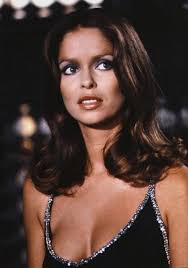
This was the first Bond film I saw in the theater. My dad took my little brother and I to see the PG-rated Spy Who Loved Me the summer of ’77. I was 13 and what I remember most was the brief glimpse of Barbara Bach’s (or her body double’s) right breast in the submarine shower scene. I was 13, OK? But The Spy Who Loved Me was a return to form after the limp Man with the Golden Gun in 1974. It had all your musts, including oodles of cool gadgets from Q, Bond in his tux and bad girls in bikinis, scores of henchmen willing to die for a megalomaniac, and sharks. My absolute favorite part of the film when I was a kid (besides the boob) was the Lotus Esprit that turned into a submarine, complete with missiles. I thought that was the coolest thing on earth and dreamed of a submarine car of my own. Ironically, in 2013 actual megalomaniac supervillain Elon Musk bought the film’s Lotus for £616,000 in hopes of turning it into a workable submarine. (Like most of his crazy ideas, he failed.)
Roger Moore definitely is getting his mojo back in his third installment in the Bond franchise. While his lines still fall a bit flat, he’s got Bond “girls” dripping from his arms. On top of the TSWLM list is Barbara Bach as KGB agent Anya Amasova, AKA Agent XXX (get it?). Bach was a model and Spaghetti Western actor who would next star in Caveman (1980) with her future husband, Beatle Ringo Starr. (Rumors were that Moore wanted Brigitte Bardot for the role.) As a sort of seventies Blofeld, this installment’s villain is wealthy industrialist Karl Stromberg, who wants to destroy the world so he can build a new world under the ocean. Stromberg is played by Curt Jürgens, who starred with Bardot in And God Created Woman in 1956. Added to the cast is Richard Kiel, who stars as the indestructible steel toothed giant, Jaws. The return of You Only Live Twice director Lewis Gilbert helped to bring some of the Connery-era swagger back to 007’s mission.
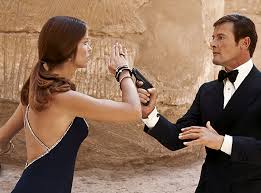
As is expected, the exotic locales splash across the screen. Bond riding a camel across the Egyptian desert and then chasing the bad guys through the Giza ruins was not filmed on an English set. It was there on sight, as were the scenes filmed on the Italian island of Sardinia. We return to some classic Bond tropes, like assassins on skis (On Her Majesty’s Secret Service) and underwater battles (Thunderball). There’s sexy one-liners (Her: But James, I need you! Him: So does England.) And sexist one-liners (James commenting on a woman in a bikini in a boat, in front of Anya, posing as his wife – “What a handsome craft. Such lovely lines.”) And while we don’t get an underground lair, we get an under WATER lair that serves its purpose.
The Spy Who Loved Me premiered in the United States on August 3, 1977, the same day that the Tandy Corporation debuted the first mass produced microcomputer, the TRS-80, forever changing popular culture and gadgets in James Bond movies. The film received mixed reviews but fared better than its predecessor. Boosted by a great theme song, sung by Carly Simon (and constantly on the radio the summer of 1977), the film was United Artists biggest grossing movie to date, but competed in theaters with the box office sensation that was Star Wars, putting it at #8 for the year (between The Deep and Oh, God!)
Let’s put The Spy Who Loved Me in our feminist evaluation machine.
Driver of Action – I’m getting the feeling that the formula for Moore’s Bond films are it’s just him. Even though he’s paired up with a Soviet spy, Anya Amosova, this isn’t a buddy film. She’s primarily sexy arm candy whom 007 has to rescue. (Although there is one scene in Egypt where she throws up her arms in a Charlies Angels karate pose that I thought was going to give us some Russian aggression, but no such luck.) James does not even have a support team. We get brief cameos by Q and Moneypenny, but this is just James.
Role of Violence – 007 kills some people in TSWLM. At the start of the film he shoots a Soviet agent (who is Anya’s boyfriend) with a rocket ski poll while skiing backwards. He drops one of Stromberg’s henchmen off a roof in Cairo, and then kills a half dozen more in a crazy car chase in Sardinia, including killing a bikini-clad helicopter pilot with a missile from his submerged Lotus. When the action moves to Stromberg’s tanker, which is being used to capture nuclear submarines, 007 with a machine gun goes on a rampage. There are literally bloodless corpses everywhere. Where’s the blood? And James shoots Stromberg multiple times in his underwater HQ.
Vulnerability – There is actually a mention of Bond being married in the film. Anya brings up that he was married and his wife was killed and he stops her from going any further. It was almost a moment of James the person. The break from James performing “007” was jarring but it only lasted for a split second and then it was back to Robot Bond.
Sexual Potency – This version of Bond wants to be as horizontal as possible. Miss Moneypenny might be too old for him in the late 70s, but every other women on the screen is fair game for his jacked up libido. To be fair, the film starts with a twist on the familiar theme. A man that looks like James is in bed with a beautiful woman when the phone rings. We learn that the woman is actually a Soviet agent, Anya Amosava, and the man is just a lover. Never fear, the very next scene is James in bed with a Russian woman in Austria. It’s a clever trick perhaps meant to say that women can play this game. James in Egypt meets a very white sheik who has a harem of beautiful women. When Bond is offered one of the women for the night he says it would be rude to refuse the offer. In Cairo, he meets another woman who is linked to a connection. He tries to seduce her but ends up using her body to block an assassin’s bullet. Oh well.
The rest of the film is about James and Anya, cold war enemies who have teamed up for some “Anglo Soviet cooperation” to stop this dude who is stealing submarines and wants to blow up the world. Bond can’t keep his hands off her and she may just be playing him by letting his hands and lips wander. But there is a scene on a train (You know, the scene on the train!) where Jaws attacks James and Anya and Bond tosses him out of the train window (We’ve seen this movie before) and Anya says, “You saved my life.” The sexy sax version of theme song swells up as James takes her in his arms. Later, the film ends with 007 and XXX getting busy in a preview of Glasnost ten years down the road.
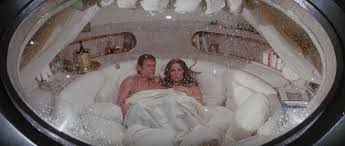
Connection – This is a weird one. (Surprise.) The film is called The Spy Who Loved Me and theme song is sung by a female so it’s reasonable it’s about Anya being loved by James. In the film Stromberg says Bond is “in love with a Russian agent.” But it doesn’t seem like either are in love with anyone. Anya seems to forgive him after finding out he killed her boyfriend, but it doesn’t seem the least bit romantic. This is the aloof Bond of the seventies. Even Q and Moneypenny are kept at arm’s length. Regardless, the film ends with James and Anya bobbing in the ocean in a luxury escape pod, complete with a bed and a chilled bottle of Dom Pérignon ’52. The pod floats into a cruising British destroyer where M and the British Ministers of Defense peer in through the window to see the two spies in flagrante delicto. “Bond! What do you think you’re doing?” asks the defense minister. “Keeping the British end up, sir.” And scene.
Toxic Masculinity Score: 6
Summary Watching this movie took me right back to the summer of ’77. The underwater submarine car battling frog men with their own subs was bliss for a 13-year-old boy. Catching a glimpse of Bach’s boob while sitting next to my dad was both terrifying and titillating. (See what I did there?) No part of me questioned the silly logic of the plot. Now I look at through the lens of 48 years of media. Stromberg has hundreds of henchmen all in red suits, like they were the henchmen of Squid Games. I wondered, who made these suits? Did Stromberg buy in bulk? Are they one size fits all? And do these henchmen get benefits? They all seem to be willing to die for him (and they all do). There should at least be life insurance in their benefits package. And dental.
The Spy Who Love Me, through that modern lens, has a pretty dim view of women. Bach, a few years after the film, said as much, telling People Magazine in 1983 that in the film Bond, “is a chauvinist pig who uses girls to shield him against bullets.” Moore himself said much the same in the 1970s. “Bond, like myself, is a male chauvinist pig. All my life I’ve been trying to get women out of brassieres and pants.” At least Bond doesn’t smack any women in this film on his way to thwart the accelerationist doomsday plot of this episode’s mad genius. While the mushroom clouds over the Atlantic might dampen the joie de vivre of the cold warriors warming things up the film’s climax, were left wondering will the aging Commander Bond will run out of notches on his belt before producers run of out of Ian Fleming novels to film.
If I was my current age in 1964, as Beatlemania swept America, I would have absolutely hated the Fab Four. I would have been a 60-year-old jazz purist, dedicated to be-bop, hard-bop, and post-pop. I wouldn’t have had time for West Coast bop (sorry Brubeck), let alone mop top non-bop. I would have taken one look at the grinning lads from Liverpool, surrounded by millions of screaming girls, while they did their white people version of the Isley Brothers’ “Twist and Shout,” and turned up my nose. “That’s pre-packaged bubblegum. I listen to serious music, like Miles and Trane,” I would have said.
Turns out those millions of teenage girls were right.
I’m not making that mistake 60 years later. I am fully in the grip of Swiftmania and I have my 9-year-old daughter to thank for it.
I’m deep in the bag for TS. The haters are the people who knee-jerk react to the trope that “Popular = Bad.” After all, the masses are asses, as L7 sang. Anything as massive as Taylor Swift must suck. That’s the same thing they said about the Beatles in 1964, who clogged up the pop charts with their “Yeah, yeah, yeahs!” But here’s the thing. You can dig L7 (and the Yeah! Yeah! Yeahs! and Miles and Coltrane) AND Taylor Swift. Tay is on my playlists next to punk bands like Destiny Bond and jazz freaks like Sun Ra. I’m not going to let your hipster elitism deny me the appreciation of this crazy trip, especially when it is being led by my Swiftie 4th grader.
Like a lot of people, I drug my heals on the Taylor Train. I prefer Tuareg music from Mali over the American Top 40. But her 2022 lofi dream pop album, Midnights, caught my attention. It took me to some unexpected places that I missed from my youth (like the sound of the wind down at 3 am). But it was when Cozy, my always enthusiastic about something daughter, switched her attention from the Animal Crossing video game to Taylor Swift that I bought my ticket onboard the Swift Express.
Cozy’s cohort followed mine in many ways. In third grade, it was all about the songs. “Cruel Summer,” always got a, “Turn it up, Dad” in the car. (For me it was “Burning Love,” by Elvis Presley.) Fourth grade is more about the artist. Cozy’s girl gang has lots of Taylor Talk before, during, and after school. (By the end of 4th grade, I’d seen most of Elvis’ 33 movies.) The Eras tour sweatshirts are like their team jerseys. Cozy makes song bracelets in hopes that one day she’ll be able to trade them at an actual concert. She’s made her bedroom into a shrine to Taylor with taped up magazine pictures and a rotating “Top 13” favorite song list. (13 is a magical number in Taylor-world.) At 13, my room was split between shrines to Kiss and the Beatles. She falls asleep each night to the TS CD’s I’ve loaded into her mother’s ancient iMac computer. And I assume all her friends live in a similar Taylor bubble.
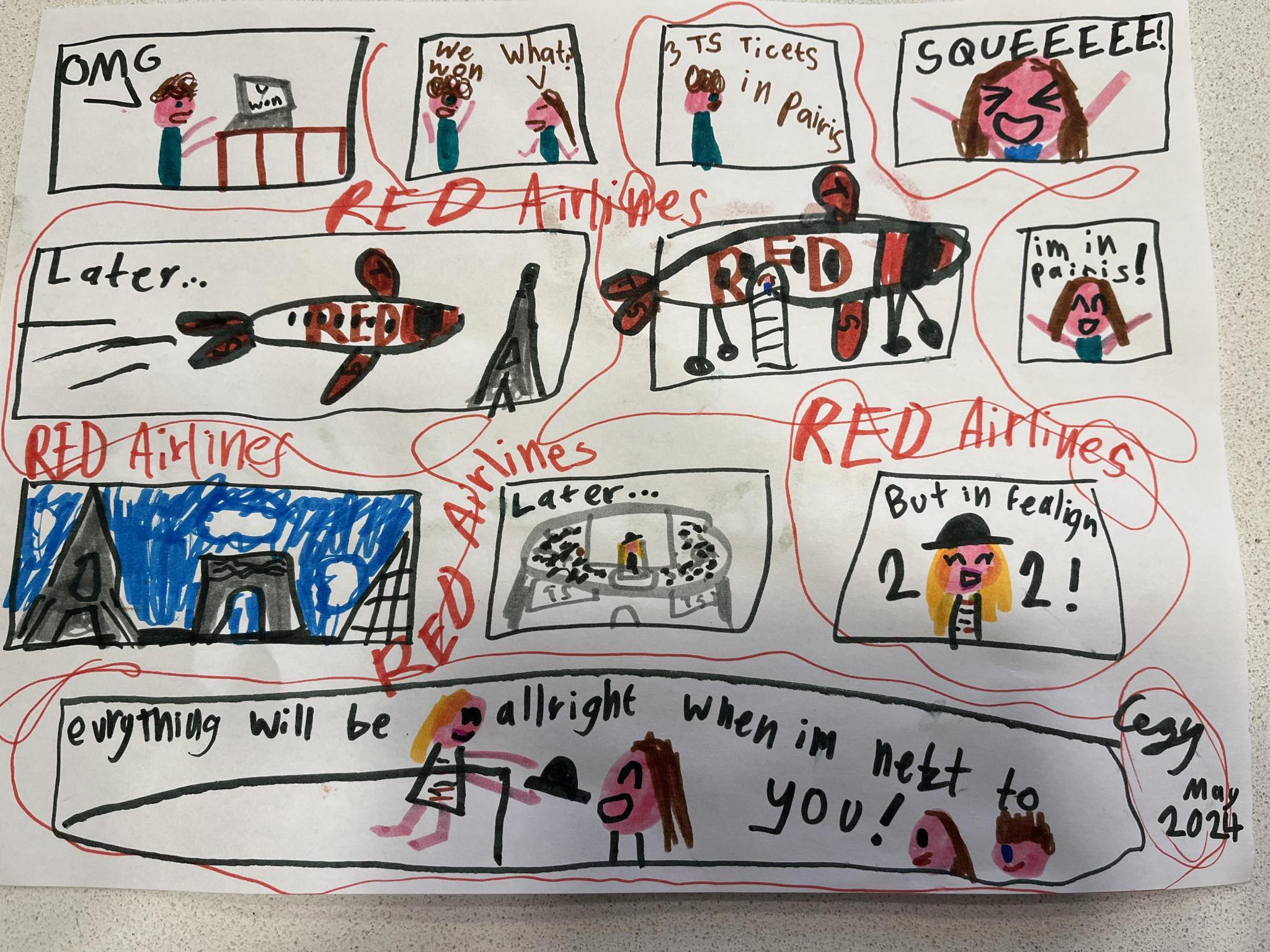
Cozy’s fanaticism is infectious. She knows every Swift lyric, including to the “Anthology” version songs on Swift’s new album. She knows the outfits of the Eras tour including the “22 hat.” (I have no idea, but she tells me she’s going to show me a YouTube video that explains it.) When the new album, The Tortured Poets Department, dropped at 9 pm on April 18th, we sat together as it streamed into our lives. The next day we raced to the record store to pick up a vinyl copy and record a review for my YouTube channel. That night, her crew had a Swiftie listening party where all the girls dressed as a different era. Thanks to her mom’s make-up skills, Cozy nailed the Reputation look. I don’t know what would be the 1964 version of that, but I’d like to think 4th grade Randy (Ringo’s Version) would have most certainly been combing his hair forward.
It might be different if this was 1997 and I had a nine-year-old who was gaga over the Backstreet Boys. Taylor Swift is an insanely talented artist. Like Paul McCartney, she could sneeze and a brilliant song would come out. Like Bob Dylan, she can take the story of her life, slam words together, and create poetry that we will be analyzing for generations. If you don’t believe me, listen to Dylan’s 1975 track, “Tangled Up in Blue,” written after his separation from his wife Sara, and then the ten minute version of Swift’s “All Too Well,” written after her break up with Jake Gyllenhaal, and tell me they don’t fit together like two socks in a drawer. But because Swift is a young woman (and blonde and thin) her artistry is dismissed. There are plenty of music lovers who extol Joni Mitchell in 2024, who also derided her in 1970 for trying to “be Dylan.” I don’t know what will be seen as “classic” in 2074, but, if there is radio 50 years from now, “Cruel Summer” and the dozens of other Swift hits will be playing to welcoming ears of Gen Z elders and their mutant children.
The mission now is to get Cozy to a Taylor Swift concert. Taylor is playing at Wembley Stadium in London (where I saw Live Aid in 1985) on Cozy’s birthday on August 17th. The cheapest, behind the stage, tickets start at $1200. Tickets to see the Beatles in 1964 were five bucks. For the price of one Taylor Swift ticket I could have bought 240 Beatle tickets. (Yes, I did the math.) I’ve entered contests, bugged friends in London, and watched StubHub like a lunatic. I want Cozy to have this experience. She even described seeing Taylor in concert with her mom and dad as her “perfect day” in a recent family therapy session. When I was her age, my parents took me to see Elvis Presley and it turned me inside out. So, somehow, this will happen.
All this is just a truckload of fun. It’s as much about Cozy’s joy as it is about the wonderful music that Taylor Swift makes. Yes, some of those songs make me cry (“All You Had to Do Was Stay” was written about my own break up, I’m convinced). But I’ll remember (all too well) dancing in the kitchen with my kid to “Shake it Off” and re-discovering the way music can completely consume you. I have my Beatlemania thanks to Cozy. And I’m screaming my lungs out.
I have a very specific memory from the summer of 1980. I was 16 years old, driving west on North Decatur Road in my 1973 Gran Torino to do some record shopping at the Wuxtry. Foreigner’s “Hot Blooded” was blasting on 96 Rock. I had the windows down and the volume all the way up. I stopped at the red light at Church Street. The car to the right of me and the car in the turn lane to the left of me were both playing 96 Rock at full volume. We all looked at each other and screamed, “Check it and see!” – united by technology, generation, and a great chorus.
I can’t imagine anything like that happening today, with everyone locked in their algorithmic streams.
Nostalgia is a dirty drug. There are countless memes that will tell you that music, cars, TV shows, and culture were better “back then.” It’s a lie. There was crappy music that you conveniently forget, death trap cars that were unsafe at any speed, stupid TV shows, and a culture that rewarded the bullies and marginalized everyone else. Donald Trump’s “great” America was 1950 (as he told CNN in 2015), the peak of Jim Crow, before civil rights movements for women, gay and trans people, and Americans with disabilities. And the top song was “Chattanoogie Shoe Shine Boy” by Red Foley. No thanks.
The truth is the past was great and super shitty. Just like now.
I love it when Boomers yearn for the days when you could ride in the back of a pick up or ride your bike without a helmet. That’s because they are alive to yearn. A bunch of kids got bounced out of the bed of the pick up and are not yearning because they are in yearn-free graves.
So what is it about music that locks us into these powerful memories of yesteryear? Incredible research with Alzheimer’s Disease patients has demonstrated that music can activate incredibly specific memories in people who can’t even remember their spouses and family members, because music exists in a part of the brain the progressive disease can’t reach. I’m guessing 90-year old me, in 2054, might not remember you, but play “Hot Blooded” and I’ll tell you all about that day on North Decatur Road in the summer of 1980 with great clarity.
The reason for my curiosity is the mindfulness practice of being present. Buddhism warns of being lost in the past (and worrying about the future). We spend scant time being in the present. Being present allows us to see our internal state and manage our emotions. Like Ringo said, sometimes you gotta stop and take time to smell the roses. As I’ve written about in this blog, there is great value in stopping.
So, to all the people of my generation, think about how we would listen to music. I have such clear memories of going over to Doug Warringer’s house to listen to a Kiss album or going over to Ed Overstreet’s house to listen to a Clash album. And we would JUST listen. We were present in the moment of listening to the songs. There was no, “This track reminds me of when,” or “This track makes me think about what I need to do.” There was just that moment. Then, when the album was over, we would do something else. But listening was the activity.
Our songs take us to those moments when we were fully present. It’s a weird nostalgia trick about memories of the present. I write this on Memorial Day, thinking about veterans whose brains are often frozen in those traumatic battlefield experiences. I know the songs that were blasting as we raced through the Ukrainian war zone last year are still in my ears. There is a direct link that connects what was playing during our first dance and our first war, present moments sealed in amber for all time. When I was 16, I didn’t have much of a past to ruminate over and my future was wide open so it was easy to absorb the moment. All these years later, being present is handicapped by memories of what was and what could have been and concerns about the future for me and my child.
Here’s where music can help.
I’ve been kicked off of numerous “Classic Rock” Facebook pages for arguing with old timers who all think music today sucks. I remind them of what their parents had to say about AC/DC and they sound just like old people. “These kids today!” They point of youth music is that is separates young people from their parent’s generation. Then they’ll go on and on about autotuning and profanity and the “that’s not music” about the Cardi B’s of the world in rants that seem more racist than music purist. And I’ll say, there are countless new rock bands putting albums out and if you love 70s pop, have you tried Harry Styles? And bam, I’m banned again by classic rock old farts who are prisoners of their nostalgia, forever blocked out of being present with a great song.
I have the best moments with my daughter and her friends driving around with the Top 40 station (Z100 in Portland) turned all the way up, listening them sing along. I know the hits of 2023 will resonate with them the way the wonderful/horrible songs of 1973 do for me.
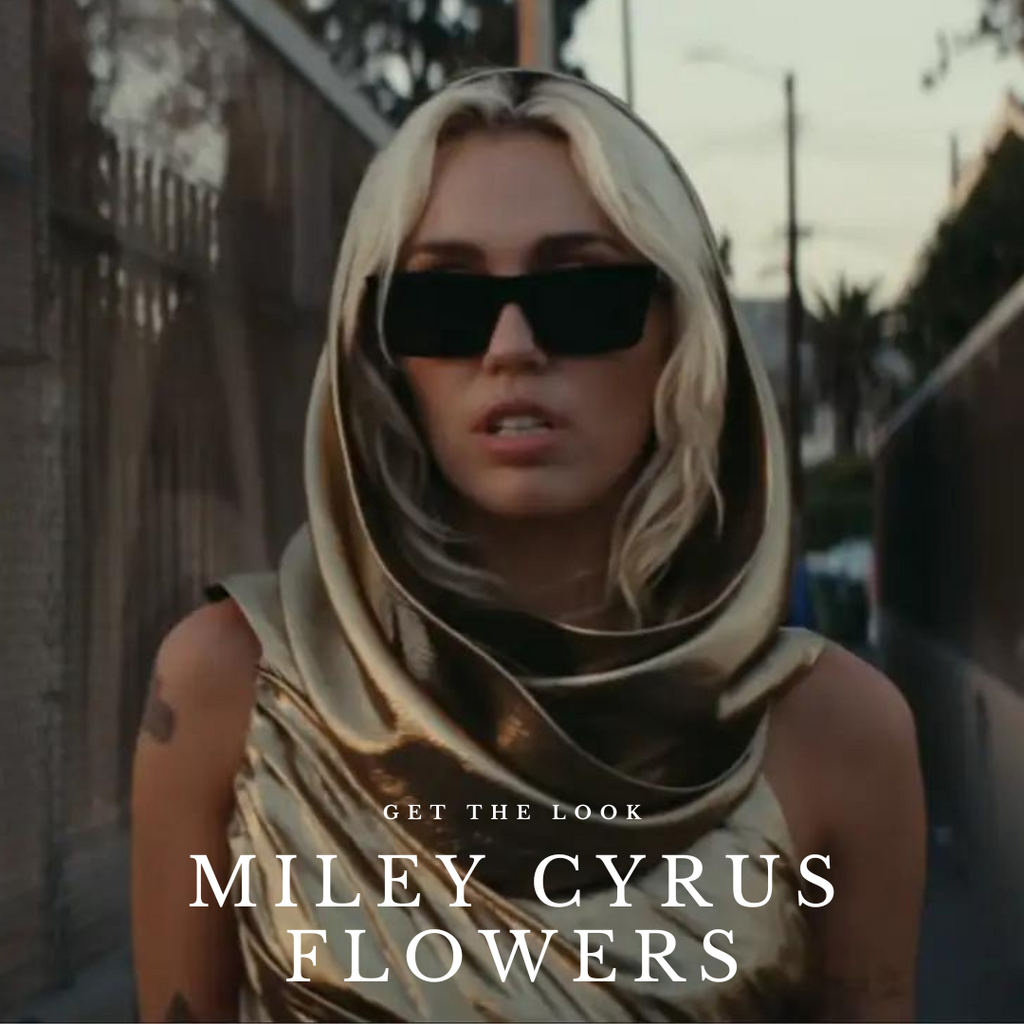
So here’s the assignment. If you were born in the twentieth century, I want you to go straight to the pop charts. Find a hit that speaks to you. My third grade daughter’s favorite song of the moment is “Flowers,” by Miley Cyrus (currently #3 on the charts). Listen to that song while doing nothing but listening to that song. How does that tune make you feel? Try not to get nostalgic or concerned about what’s to come. Just be in the moment. Then put it on a playlist. Make it your song for late spring 2023. Every time you hear it take a deep breath and think, I am here now.
There’s so much amazing music happening right now and so many opportunities to just stop and take in the moment. Be here now.
Looking back at this entry from a year ago, I thought 2021 was going to kick off the new “Roaring 20’s.” Instead the year was hammered by Delta and Omicron variants, record inflation, and a broken supply chain. There was still a ton of great music that slipped out, and a return of live music. (Favorite show: The Monkee’s Mickey Dolenz and Mike Nesmith shortly before Nesmith’s sad death on December 10.)
Most of my musical consumption this year came from making playlists on Spotify, especially when I was laid low by COVID in August. (The fever sent me on a Steely Dan bender for some reason.) Spotify gave me a great musical project source thanks to my University of Oregon students. As an extra credit assignment, I created a “Race & Ethnicity Mix Tape” playlist. They submitted songs of racial consciousness and healing and we ended up with 229 tunes. Thanks to my Gen Z students, several artists were new to me. (Joey Bada$$ was popular in the mix.)
The musical highlight of the year was definitely the long-awaited release of Peter Jackson’s 8-hour Beatle documentary, Get Back, airing on Disney+ over the Thanksgiving holiday. Insight into the Beatles’ process and a chance to re-write the Let It Be record made it endlessly engrossing. Filmed the same year, 1969, Summer of Soul (on Netflix) gave a brilliant look at a Harlem black music festival that was overlooked by history as Woodstock hogged the limelight.
This year’s top album pics are not necessarily the best selling or most critically-acclaimed releases of 2021. I’m sure Tyler, The Creator’s Call Me If You Get Lost is amazing and I’ll dive into Adele’s 30 and Kasey Musgraves’ Star-Crossed when I’m not quite as melancholy (i.e., living it). These are the albums that brought me joy and repeated listenings in ’21. I recognize that three of these artists, Wanda Jackson, Charles Lloyd, and Ringo Starr, are in their 80s. Paul McCartney turns 80 in June and Tony Allen would be 80 but died last year at 79. They demonstrate the longevity of creativity, and are balanced out by teenagers Olivia Rodrigo and Young Thug (who recently turned 20).
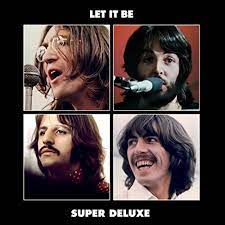
The top spot is reserved for The Beatles (surprise, surprise). The 5-disc “Super Deluxe” release of 1970’s Let It Be(remixed by Beatles producer George Martin’s son Giles) provided endless moments of Beatle discovery from the vaults, including a Fab Four version of George Harrison’s “All Things Must Pass.” The packaging was stellar and stood as likely the last gift of unheard Beatle music for fans. The “in the room” outtakes served as a perfect soundtrack to the Get Back film.
Like pretty much every Beatle fan, I’ve been waiting on Peter Jackson’s epic recut of the the Beatles’ 1970 Let It Be film. I first saw it as a midnight movie in Stone Mountain, Georgia in 1978, wincing when the rednecks hissed at Yoko Ono’s first appearance on the screen. The 1970 film was a sad document of a fabled band breaking up. Get Back, the new film, culled from 60 hours of unseen footage from those sessions, promised to rewrite the narrative of January 1969, which George Harrison had branded, “the winter of our discontent.”
I geared up for the Thanksgiving event by buying the 5 disc Let It Be “Super Deluxe” box set and reviewing it on my YouTube channel. I’d read everything about the sessions in the previous 40+ years, so I wasn’t expecting any surprises. And yet, all I got were surprises. It wasn’t just the insight into the working process of the band (Ringo’s farting not withstanding). It was the psychological dissection of what happens when strong personalities stifle equally strong personalities.
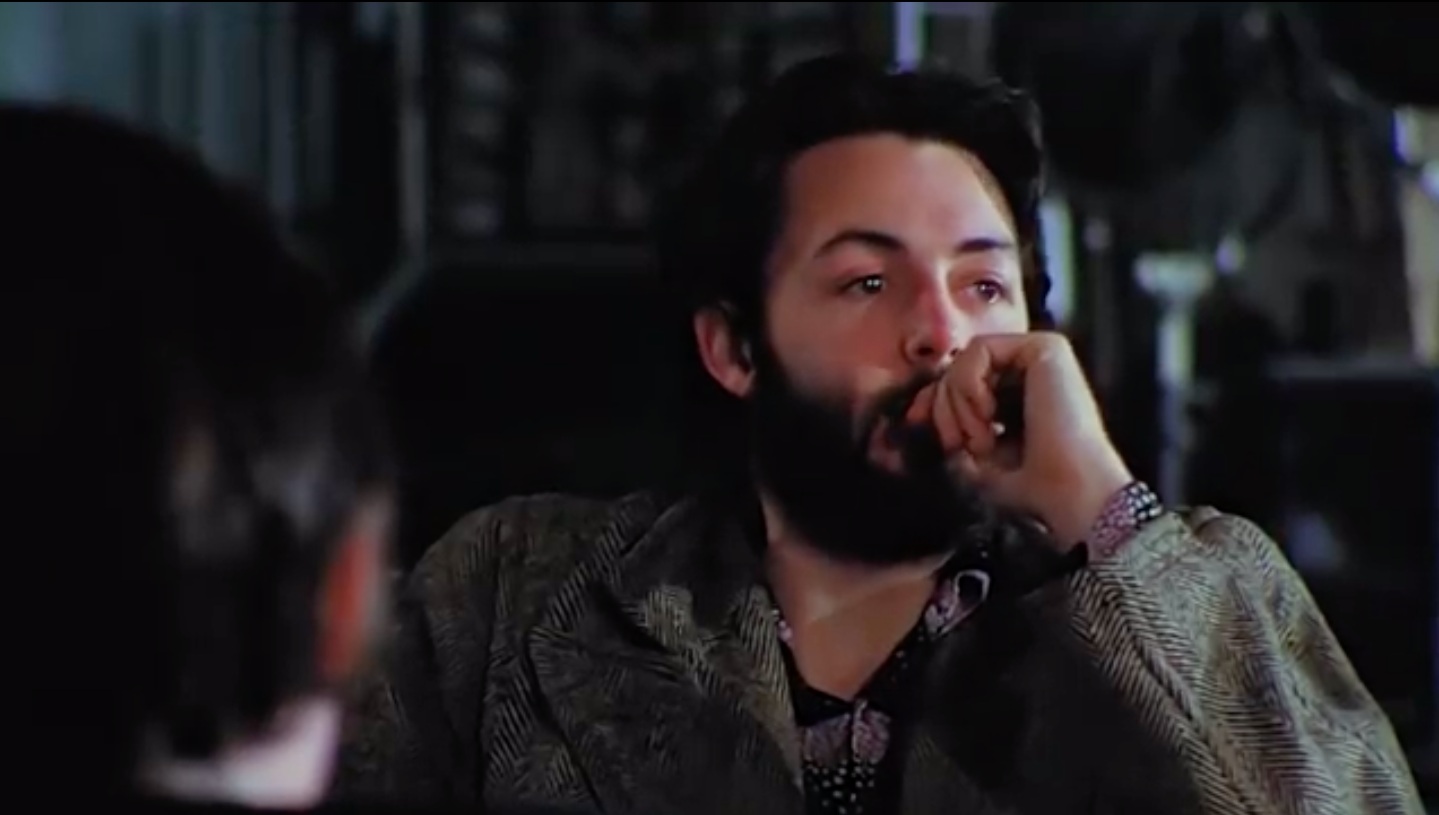
Thanksgiving morning Andrea and Cozy came over so we could make this viewing a family event. Andi and I curled up on the couch together and fell into the first part of the eight-hour three-day fab fest the world had been waiting for. Besides the brilliant ’69 fashions and endless smoking, which made us both briefly made us consider taking up the habit, was the revelation of the psychodynamic between John, Paul, George, and Ringo. In the first episode, there’s a moment when Paul discusses and accepts that he is losing his lifelong best friend to Yoko. Paul, looking old at 26, mourns the man who had been his musical partner since he was 14. There’s a long silent shot and you can see his eyes dampen. The realization that closeness is not locked in for life is shattering. John was now “John and Yoko.” No wonder Paul McCartney fell into a deep depression a year later.
But the great story is George Harrison’s rebellion. The Beatles were Lennon and McCartney’s band, both in camera time and musical direction. The quiet Beatle was lucky to get a few of his own tunes on each album. By 1969 he’d been hanging out with Eric Clapton, Bob Dylan and The Band but was still relegated to sideman in his own group. The songs he was bringing into the band were equal to Paul’s and even better than the ones John was bringing in. (John was checked out, on Yoko and on smack.) Just listen to the Beatles’ version of George’s “All Things Must Pass” and you can see how the understudy had become the master.
George could have just taken it all on the chin, the price of being a Beatle. But on January 10th, George stood up for himself and quit The Beatles. After seven days of rehearsing mostly Paul’s songs in a dank soundstage, George walked out saying, “See you ‘round the clubs,” and that was it. The Beatles were now a trio. Years later, in The Beatles Anthology (1995), George recalled his thinking at the time. “What’s the point of this? I’m quite capable of being relatively happy on my own and I’m not able to be happy in this situation. I’m getting out of here.” Certainly there’s more we don’t see on the screen in Get Back, including financial headaches at Apple and George’s crumbling marriage (apparently he was shacked up with Clapton’s ex-girlfriend at the time), but we see the youngest Beatle take a stand for his own sanity.
We also see John, Paul, and Ringo sink into a mild panic at George’s departure. John suggest recruiting Clapton, who had played on 1968’s Beatle classic “While My Guitar Gently Weeps.” They end up heading off on a visit (and then a second) to their young friend’s house to cajole him back into Beatledom. End of episode one.
Andrea and I reconvened on the couch the following day for Episode Two as the Beatles reconvened at Apple headquarters. Watching the Fabs, George included, enter the white office building on 3 Saville Row gave us a kick has we had been in the building on our trip to London in 2018. It’s now an Abercrombie Kids store. And yes they sell Beatles shirts. In 1982, I actually snuck onto the roof of the then empty building but we were seeing the reunited quartet walk in the same door we had. Turns out that one of George’s conditions to return was that the band move to the warmer Apple studio in the basement of 3 Saville Row.
The sweet spot occurs on January 11th, George’s second day back when he brings in old friend of the band, Billy Preston. Billy sits in on keyboards on tunes like “I’ve Got a Feeling” and “Don’t Let Me Down” and the chemistry is instant. These much labored-over songs now sound like album tracks. The look on George’s face was ecstatic, like you assholes downplayed my creative input and I just saved this imploding band. Oh, the satisfaction he must have felt.
Andi and I had a long conversation afterwards about how stifling a person’s true self just doles out misery around the circle. But when you honor their whole potential everyone benefits. There certainly were parallels in our situation as just a few weeks prior she had told me, “See you ‘round the clubs.” Without knowing it, I had been Paul McCartney, trying to make “our band” my band. I thought I was doing her a favor “letting her” have a few songs when she had a triple album’s worth of material ready to go that was far superior to my silly love songs.
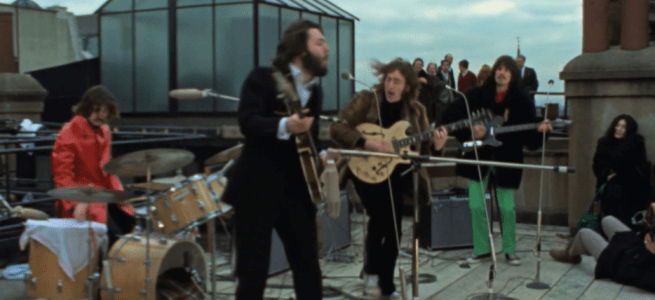
We stayed up until midnight to catch the premiere of Episode Three, that took the band up to the roof of Apple, where I would stand 12 years later. On that cold January 30th day nearly 53 years ago, the lads were in their true element, full of joy as a cohesive creative unit, blasting out “Get Back” to the curious listeners below. “I want to look at you the way Paul looks at John,” Andi said. I just want her to have the smile that George Harrison had on that rooftop. As we prepared to step back into our separate lives, feeling finally fully present with her true self, I thanked her for three of the best days I’d had in my life, spent with her, our daughter, and the Beatles. And I hope I passed the audition.
Let’s be honest, the pandemic has brought us some good things. For example, there are people who will deliver vanilla lattes to your home and text you when they are on your doorstep. The 2020-2021 lockdown was also a great time to work on ourselves and our relationships. Besides the long conversations with my wife about what I might need to tweak in my own psychodynamic, I read a lot that put me on a path of internal work. Books like Get Out You Mind and Into Your Life, and You Might Be a Narcissist If…, and (currently) Why Do I Do That? Psychological Defense Mechanisms and the Hidden Ways They Shape Our Lives. As an educator, I want to de-stigmatize the effort to do self work. Let’s be honest, we all could use a little help to be better people
But what really changed the game was meditation.
As a Beatle maniac, I was always enamored with how the practice of transcendental meditation changed the trajectory of the Fab Four’s career. John, Paul, George, and Ringo were in Bangor, Wales in August, 1967 attending a seminar in TM held by the Maharishi Mahesh Yogi when their manager, Brian Epstein, suddenly died. Seeing how they handled his death with calmness was a bit shocking to Western sensibilities about grief. Those seminars and their extended trip to India the following spring to study under the Maharishi set them on lifelong paths of meditation (and vegetarianism). Ringo Starr just turned 81 and still meditates every single day. So does Paul McCartney.
My first personal experience with meditation was when I was about 12 and taking karate classes. As a child I suffered from intense insomnia, my mind racing with fantasies about dinosaurs and Spiderman. The meditation practice at the end of each karate class promised “astral projection,” but really taught me how to calm my mind and I’ve used it as a tool to get to sleep ever since. (I often focus on images under the sea, so when I started scuba diving in 2016, it was like I manifested my dream world through deep thought.)
This latest chapter was born from intense frustration. I could read all the “self-help” books in the world but my impulses were still getting the better of me. My need to be confrontational likely stems from my early family dynamic. I like to fight. Me vs. You. I could be a road rager, given the right traffic jam. Often in my marriage, while I “know” Andi and I are on the same team, sometimes I act like we are opposing forces. This is especially true in emotional moments. Even if it’s something stupid, like me wondering, “Why do I always have to be the one to wash the dishes?” My emotional self takes over my intellectual self and I say something stupid. There have been a thousand apologies after I get my head back on straight. I do plenty of trainings on implicit bias, but the greater challenge is teaching people to not let those “unthought thoughts” turn into bad behavior.
So, if some of this is hardwired into the subconscious, how can you ever get in front of it?
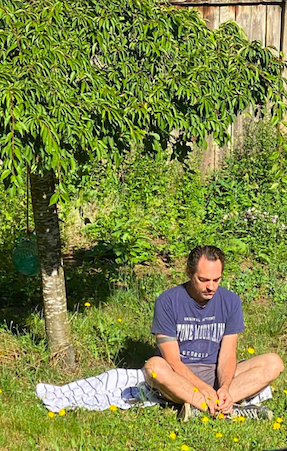
Starting a daily meditation practice has provided the answer. Just ten minutes each morning. I sit in the backyard, under an apple tree, and pop open a guided meditation video on YouTube. (The ones by Calm are amazing.) The focus is first on the breath, and seeing any incoming thoughts as clouds floating by, there and gone. The cackling crows and planes landing at PDX are just part of the ambient symphony of my environment. The rest of the time is focusing on not being my thoughts. Thoughts and emotions are not real. They don’t have to control me.
Today’s meditation focused on alleviating worry. Occasionally, I’ll get in a sour mood because of something stupid I did in the past, or something I imagine going on in the present or future, and it’s down a little black hole. The meditation focused on how there are three parts of this process. First is the image of the situation, like remembering some micro aggression I committed in the past or some upcoming event I’m not looking forward to. The second part is the emotion that thought brings up and the third is how that emotion impacts the body. The physical response could be the muscles tensing up or (worse) being more impulsive. Mindfulness says if you can witness this process, you can interrupt it before it gets to Step 3.
It was perfect timing to focus on this as just a few days earlier I totally did this spiral. It was Andi’s turn to prepare dinner but she stopped after work to have drinks and do some career planning with a mentor. Based on something that happened to me nearly 25 years ago, my head went somewhere stupid, I got frustrated and angry, and my fingers sent some pretty snarky texts. My subconscious kicked my ass. Again. If I had been more mindful, I would have identified what that emotion was about and it wouldn’t have gotten anywhere near the Send button. Meditation helped me to see that flow-chart so I don’t repeat the mistake.
The great thing about meditation is that you are literally retraining my brain to be more thoughtful. Andi has commented on the dramatic difference in my demeanor. I no longer start stupid fights (that I later have to apologize for) and center her needs as a part of my normal behavior pattern. I see challenging thoughts like leaves floating down a stream and then I hear Bono sing, “Let it go!” It feels like a rebirth. It feels like embracing thankfulness instead of anger.
Meditation has come into the daily practice of Beyoncé, Lady Gaga, and LeBron James, who meditates on the bench in the middle of games. Our active culture has a hard time “doing nothing” for 10 minutes. Before the pandemic, my yoga class would end with 5 minutes of meditation, cutely referred to as corpse pose (Shavasana). There are always a handful of people who bail to spend that 5 minutes on the Stairmaster. They’re really missing out. Filmmaker David Lynch has a foundation that brings meditation into schools and seen mediating students become less violent and more productive. Meditation is being used to treat trauma and improve the quality of inmate lives in prisons.
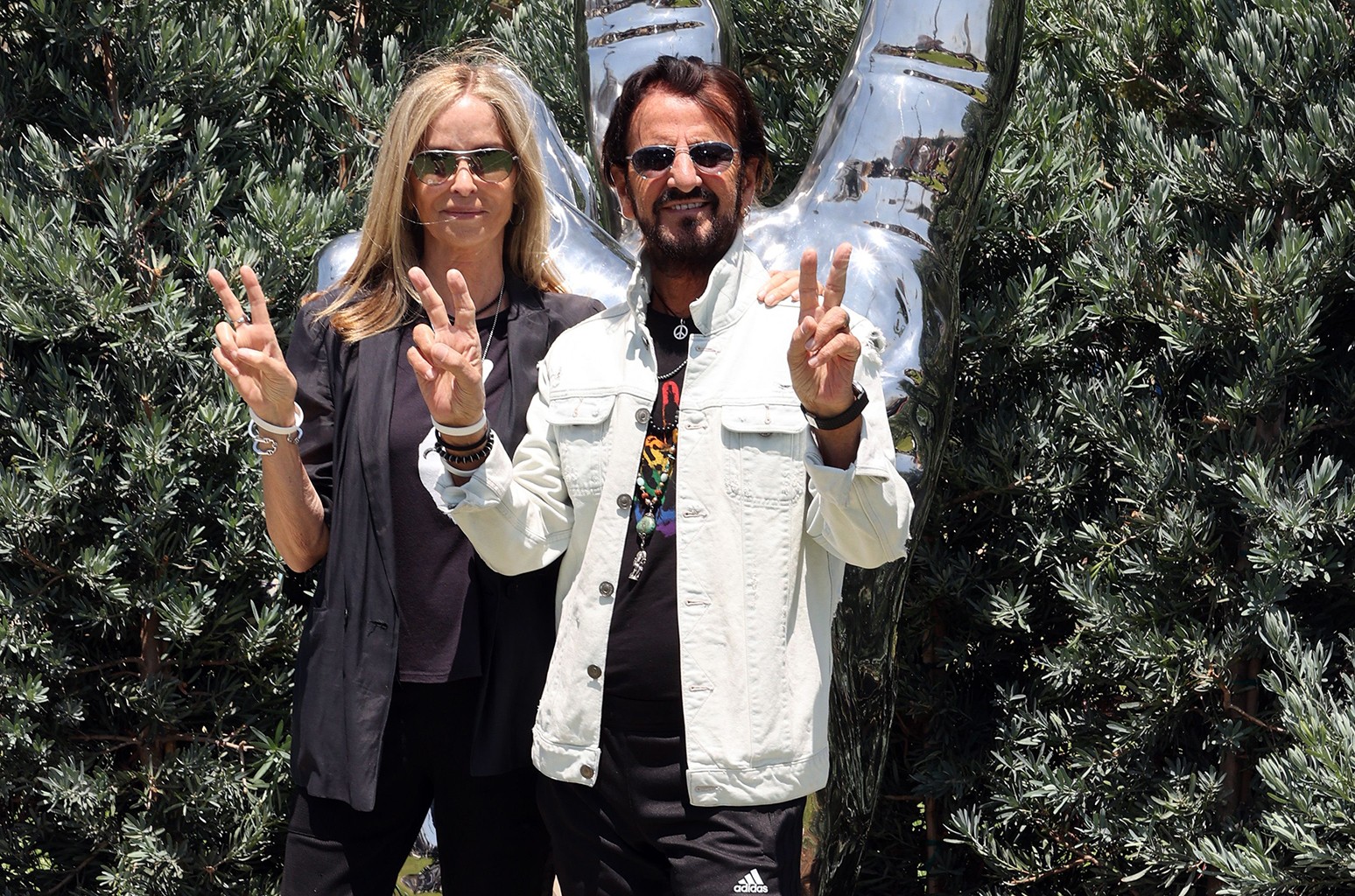
I had hit a wall in my self work, battling with my subconscious programming. Then I thought, well, if Ringo Starr can mediate 10 minutes a day and be so “peace and love” all the time (and be married to “Bond Girl” Barbara Bach for 40 years), maybe I should give it a try. Starting each day with 10 minutes, quieting my mind and reminding myself that I am not my emotions has transformed the quality of my life in a palpable way. I can only encourage you to start your own practice under your own apple tree. And thank you, Ringo.
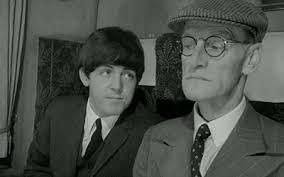
The life expectancy in the United States in 1920 was 58.8 years, so if you met someone who was sixty, they were “elderly” and living on borrowed time. In 2020, the American life expectancy is 78.9 and there are approximately 80,000 Americans who are over a hundred years old. I’m 55, so a hundred years ago I would have been ancient and now I’m wondering if I even qualify as “middle-aged.” Wilfrid Brambell, the actor who played Paul McCartney’s comical grandfather in The Beatles’ A Hard Day’s Night (1964) was 52 at the time. Beatle Paul is now 77 and heads back on tour this spring, headlining the Glastonbury Festival on June 27.
So who’s old now? “Old.”
And when someone tells you to “act your age,” what does that even mean? What does it mean to a 17-year-old or a 55-year-old? I remember during the previous impeachment, there was a general feeling that 52-year-old Bill Clinton was not acting his age with Monica Lewinsky.(Harvey Weinstein, 67, redefined the relationship between age and douchebaggery.) And if he were not the leader of the free world, the infantile antics of Donald Trump, 73, might be endearing. “He’s an old man, but he’s so childlike!”
As I write this with my reading glasses on, I can tell you there are a few clear markers of aging besides the fact that the smoothness of my skin seems to be evaporating. The aches and pains creep in and the extra pounds tend to hang on a bit longer, no matter how hard I hit the gym. And it’s just harder to hit the gym since there’s something awesome on TV tonight. I always hated when my elders would complain endlessly about the chronic pains of life so I’ll keep my mouth shut, but if I drive more than five miles, my right knee hurts!
There’s also the constant reminder of the passage of time. As a teacher, aging is particularly profound. The majority of my college students were born in the twenty-first century. I’ll say something like, “Remember how the nation reacted to 9/11?” and they’ll say, “OK, boomer, I was 3 days old.” And I’ll say, “I’m not a boomer, depending on how you chart birth rates. I’m a Generation X elder.” (My five-year-old daughter has taken to saying, “OK, boomer X.”) Regardless, I am constantly reminding my students what the world was like before the internet. Last week I was explaining what a “travel agent” was. “A travel asian?” one asked.
The value of all the mistakes I’ve made is that I can offer Generation Z endless pearls of wisdom, like “avoid credit card debt at all costs,” and “figure out ASAP that women are people,” and “don’t mix wine and whiskey,” and “take a literature class or something.” Then I can sit back and put all my hopes that the world doesn’t blow up on them. It is nice knowing a few things about how reality works even if I have no idea how I’ll be paying for the chronic health issues that are surely around the corner.
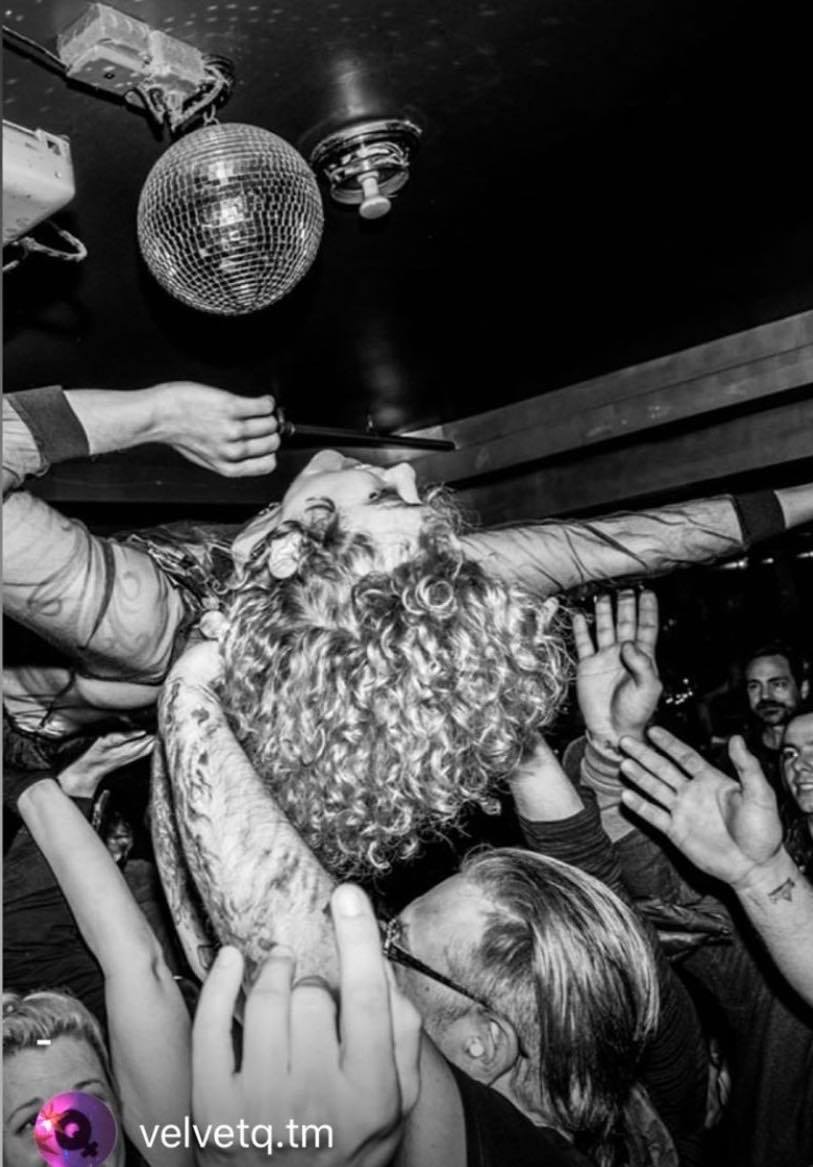
The bottom line is that I don’t feel old. I still want to be at the front of the stage when a hot young band is blowing the doors off of some basement club. I was in the front when I was 17 seeing The Ramones and I was right up front seeing Velvet Q scream through a set in Seattle a few weeks ago. (Check them out, Grams.) I try not to wonder if the kids are thinking, “What’s that old guy doing here?” Because that’s what I would have thought back in the day. But, to be frank, the reality is that I find more comfort in spinning an old Yes album, than knowing the next big underground thing. (I’ve taken to consuming critics year-end lists to find music I should’ve already known about. Big Thief!)
The Baby Boomers, those born between 1946 and 1964, got old. Boomers like Donald Trump and Dolly Parton, both born in 1946, are 73. The good news is that generation changed what it means to “get old.” If 73 is no longer “old,” 55 definitely is not. Ringo Starr will be on tour this summer for his 80th birthday, and Trump probably already has his sights on his post-indictment wife. (Sorry, Melania. Be best!) They made “thirty-something” cool in the eighties and they’ll probably make “eighty-something” cool in the 2030s.
So, lines on my face aside, there’s still a lot of life ahead. That includes mistakes, child-like moments of wonder, new paths, and nights pressed against the stage, remaining hair shaking to the beat.
This has been a weird year for music for me. The budget tightened as Cozy got bigger and the sabbatical cushion got smaller. Weekly trips to Music Millennium were replaced by lots of speaking engagements and news interviews about the rise of fascism in Trump’s America. I buried my ears in old John Coltrane albums as I read Ascension: John Coltrane and His Questby Eric Nisenson. I spent a lot more listening time in 1964 than 2017, perhaps as an escape from the endless bad news of America going into the ditch. Just turn on KMHD radio and forget about the train wrecks (both literal and not) for a moment.
In my book, The Mission of the Sacred Heart, I posit a theory about the music of the seventh year of each decade. There is one pop album and one underground album that truly defines the decade. 1967: The Beatles’ Sgt. Pepper’s and The Velvet Underground & Nico, 1977: Saturday Night Fever and the Sex Pistols’ Never Mind the Bullocks, 1987: U2’s The Joshua Tree and Public Enemy’s Yo! Bum Rush the Show, 1997: The Spice Girl’s debut and Radiohead’s OK, Computer. The theory sort of falls apart with the death of the album in the 2000s. (You could make the case that 2007 fell to Kanye West and the White Stripes). But what will it be for 2017? It wasn’t exactly the Summer of Love 2.0. It may take years to figure out how we survived a year without a new Beyoncé album.
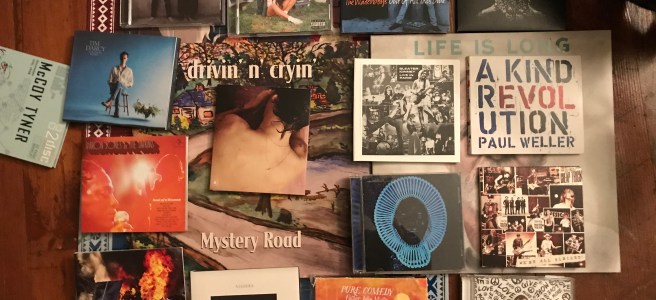
We did make it to a few great shows this year. Paul Weller in Seattle was probably my favorite and Solange in Portland was pretty epic. Beck and Spoon on the Portland Waterfront were mass entertaining. Runaway Lita Ford rocked Dante’s and getting to sing with Drivin’ N’ Cryin in Marietta, Georgia was a hoot. (Kevn Kinney introduced me as “Randy Blazak from U2!”) Herb Albert gave a master class in pop history at the Aladdin and Sting and Michael Kiwanuka brought some neo-soul to town. Bomba Estereo and Y La Bamba covered our Latin fixes. We had a great night with Shannon & the Clams and Portland garage kings The Shivas. However, I missed a ton of great gigs, choosing stay home and sing Frozen songs with Cozy.
I missed a lot of great music this year. I hear both the War on Drugs and Roger Waters have brilliant new albums out.. I know everyone has Kendrick Lamar’s DAMN at the top of their year-end polls. I loved his last one but I’m just tired of rap albums where every other word is “bitch.” It shows a lack of imagination, no matter how brilliant your commentary might be. The anti-Trump music is finally coming out. Jason Isbell’s “White Man’s World” is a chilling take on election day and I must have played “Fuck Donald Trump” by YG a hundred times on the binks jukebox. Maybe 2018 will be our 1968. You say you want a revolution? Well, you know. Is it streaming?
So this isn’t the best new albums of the year, just the ones I enjoyed the most, while Andrea painted and Cozy built increasingly impressive towers of blocks. I’ve already written about my complete submission to the joyous Harry Styles album, so it should be of no surprise that it tops my heart’s charts. We lost some greats, like Chuck Berry and Sharon Jones, and some old friends returned to remind us that, despite our foray into the Upside Down, great music will always sustain us.
Harry Styles – Harry Styles
Sharon Jones & the Dap Kings – Soul of a Woman
Childish Gambino – Awaken, My Love!
U2 – Songs of Experience
SZA – Cntrl
Sleater-Kinney – Live in Paris
Tim Darcy – Saturday Night
Jason Isbell & the 400 Unit – The Nashville Sound
Dhani Harrison – In///Parallel
Ringo Starr – Give More Love
Paul Weller – A Kind Revolution
Algiers – The Underside of Power
Father John Misty – Pure Comedy
Drivin N Cryin – Mystery Road Expanded Edition
Portugal, The Man – Woodstock
Chuck Berry – Chuck
Cheap Trick – We’re All Alright
Waterboys – Out of this Blue
Big Thief – Capacity
Dream Syndicate – How Did I Find Myself Here?
And Special Portland Topper: Jared Mees – Life is Long Besides being a perfect album, it gave me the theme song for my podcast, Recovering Asshole.



















 Watching the Wheels